
Crane Operator Training Programme
Understand how structured training, workplace experience, and assessment come together to build safe and competent crane operations.
How the programme works?
The training follows a three-stage pathway. Each stage builds on the last, combining formal training, workplace experience, and assessment.
This approach ensures that operators do not just learn, but apply and retain what they have learned in real environments.

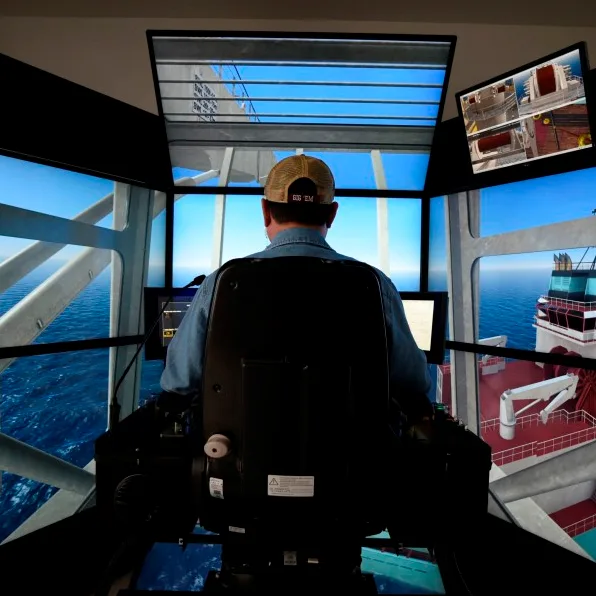
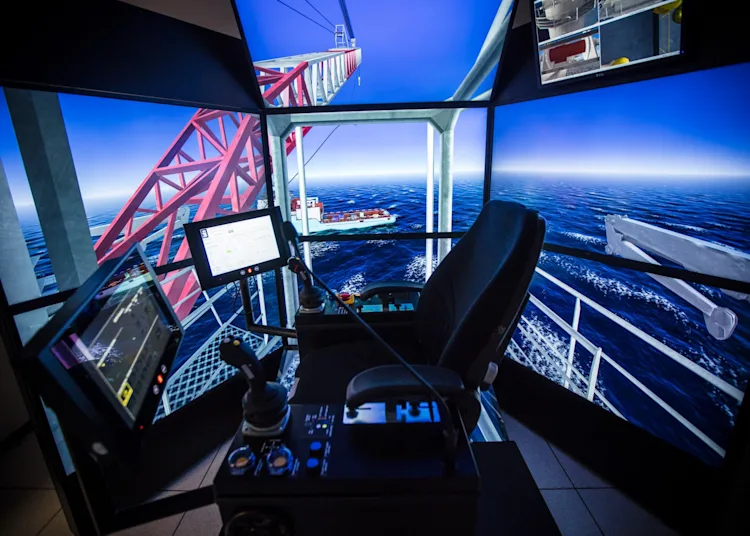
Stages explained:
Stage 1
The first stage introduces the core principles of crane operations.
Operators learn how to approach lifting tasks safely, understand equipment, and recognise the risks involved. It focuses on building awareness, control, and a clear understanding of responsibilities during lifting activities.
This stage also covers basic lift planning, communication, and safe working practices. Operators begin to see how decisions made before and during a lift affect safety and efficiency.
It creates a strong starting point for further training and workplace experience.
Without this foundation, safe progression is not possible.
Stage 2
The second stage moves beyond theory into practice.
Operators take part in more advanced training and begin applying their skills in real working environments. This includes completing a structured logbook to document their experience, followed by a formal assessment.
There are clear timeframes to keep progression on track. Stage 2 training must be completed within one year of Stage 1. If this window is missed, Stage 1 must be retaken.
Workplace experience and assessment must then be completed within two years. If not, the training must be repeated.
This ensures that knowledge stays relevant and skills are actively used.
Stage 3
The final stage focuses on confirming that operators can perform safely and consistently in real operational conditions.
Operators build on their workplace experience, applying their skills across more complex lifts and changing environments. There is a clear focus on decision-making, communication, and maintaining control throughout each operation.
Assessment takes place offshore, where operators must demonstrate confidence, precision, and the ability to manage lifts under pressure.
This stage confirms that the operator is ready to work independently and handle real-world lifting operations.

A structured path to safe and confident crane operations
Crane operations leave little room for error. Every lift carries risk, and every decision matters.
This programme is designed to give you a clear and structured route to competence. It supports operators from their first introduction to crane operations through to advanced offshore capability, while ensuring standards are maintained over time.
You gain more than a certificate. You gain confidence in real situations.

Speak with our crane experts
Every operation is different. Your training should reflect that.
If you are planning crane training, reviewing competence levels, or setting up a structured pathway for your team, our specialists can help you define the right approach.
They work closely with operators, supervisors, and training managers to understand your setup and recommend practical solutions that fit your operations.
Whether you need to assess current capability, plan progression, or align with industry standards, you can have a direct conversation with someone who understands the challenges on site.
Start the conversation and get clarity on your next steps.