
Accreditation
STCW - Accreditation
STCW sets the global standard for maritime safety training, ensuring seafarers are properly certified and prepared for safe operations at sea.
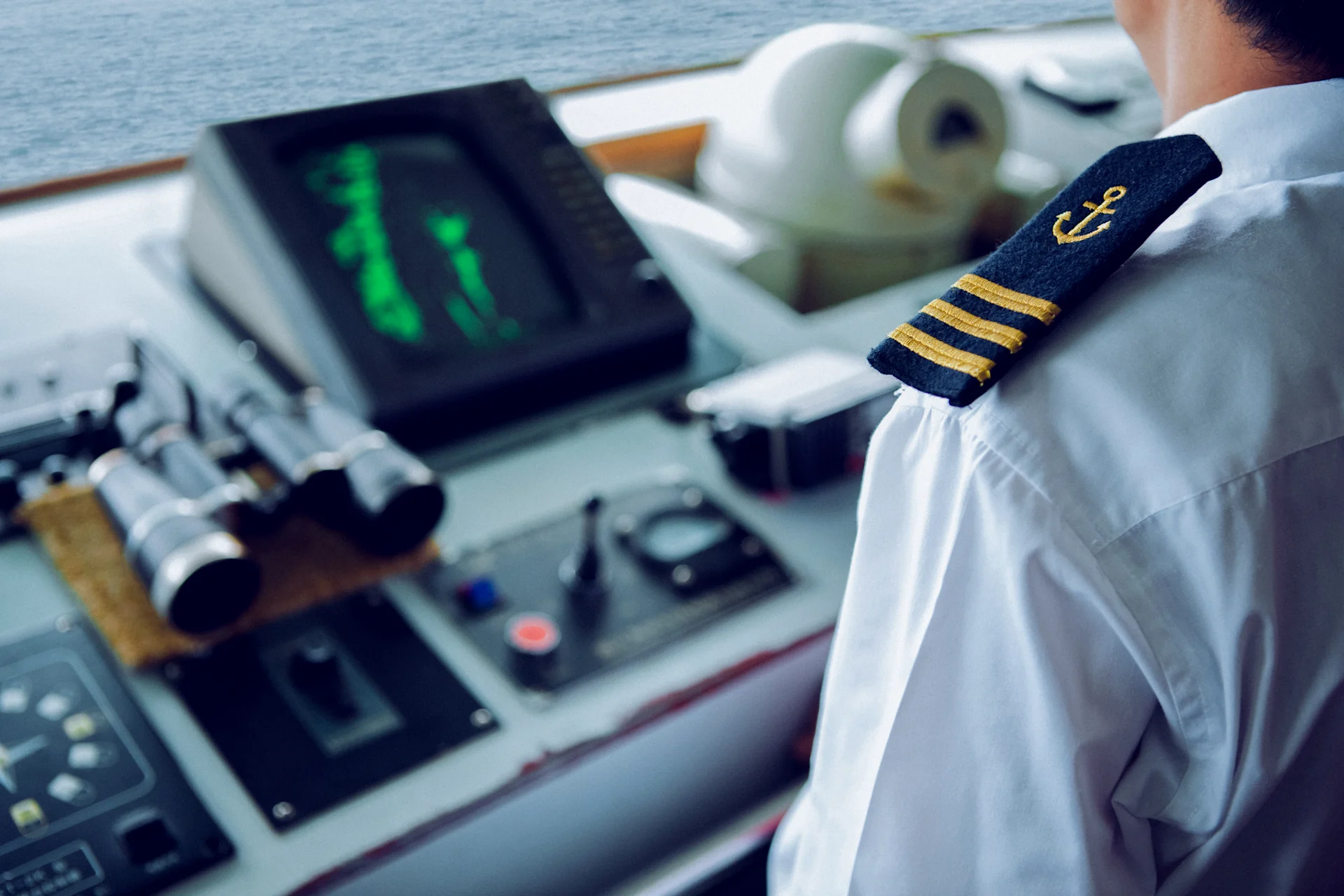
The global standard for seafarer safety and certification
Maersk Training is an accredited STCW training provider, delivering internationally recognised maritime safety courses that meet the requirements of the International Convention on Standards of Training, Certification and Watchkeeping for Seafarers. Our STCW-certified programmes are trusted by shipping companies, port operators, and maritime professionals around the world.
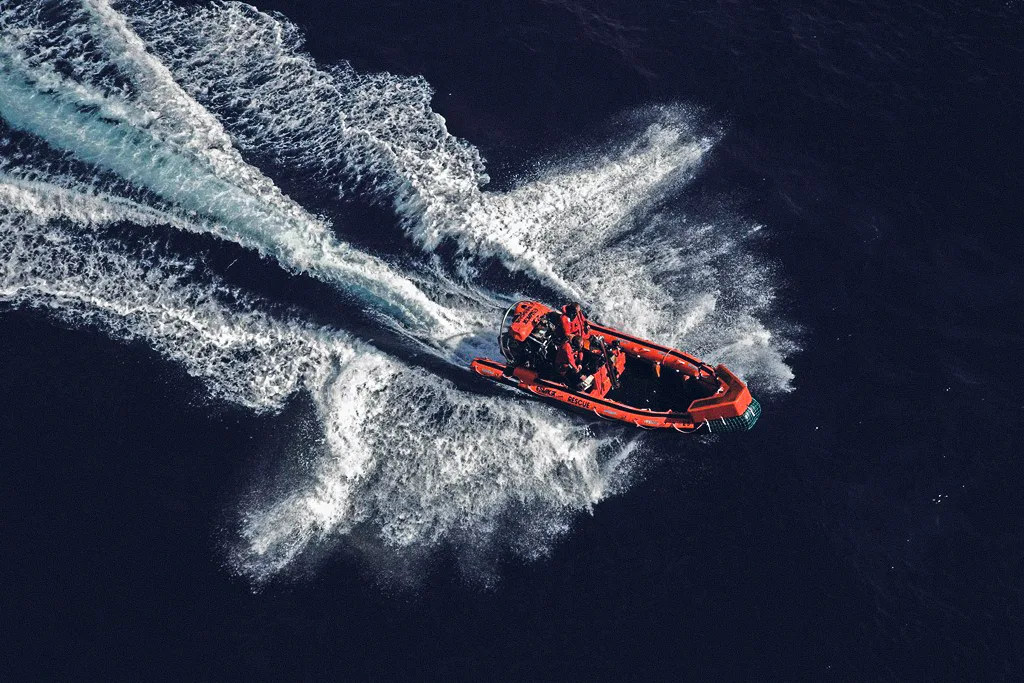
What is STCW?
STCW stands for the International Convention on Standards of Training, Certification and Watchkeeping for Seafarers. Adopted by the International Maritime Organisation (IMO) in 1978 and brought into force in 1984, STCW was created to establish minimum qualification standards for seafarers serving on internationally trading vessels.
Before STCW existed, maritime training standards varied significantly between countries, creating inconsistency in crew competency and contributing to accidents at sea. The convention changed that. It defined the baseline knowledge, skills, and watchkeeping practices that every seafarer must demonstrate, regardless of their flag state or nationality.
Today, STCW is recognised in over 160 countries and applies to approximately 1.5 million seafarers operating globally.
Popular STCW courses at Maersk Training
As an STCW-accredited provider, Maersk Training offers specialised courses designed by expert instructors, ensuring practical training that prepares participants for real-world maritime challenges. Popular STCW courses include:

STCW refresher courses
STCW certificates have a validity period, typically five years, after which seafarers must complete refresher training to revalidate. Refresher courses cover the key competencies required under the current convention and are shorter in duration than the original certification programme.

STCW e-learning
Some elements of STCW training can be completed online, allowing seafarers to study theoretical content before attending practical assessments. E-learning delivery is subject to approval by the relevant flag state or maritime authority.
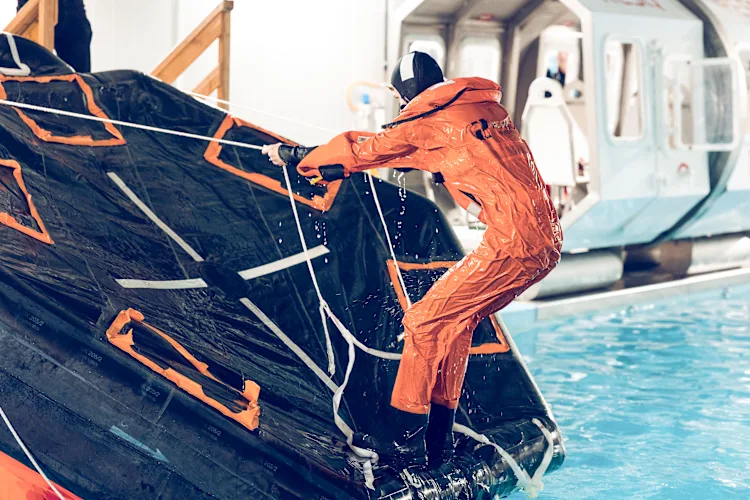
All STCW courses
STCW comprises mandatory and optional certifications across multiple chapters of the convention. These cover areas including navigation, engineering, cargo handling, passenger ship safety, security, and medical care, with requirements varying by vessel type, rank, and trading area.
STCW and the Manila Amendments
The 2010 Manila Amendments introduced a transitional requirement for existing seafarers to upgrade their STCW certificates by 1 January 2017. Seafarers who completed their basic safety training before this date and did not undertake refresher training may hold certificates that are no longer considered valid under STCW 2010 standards.
Shipping companies and crew managers should ensure all crew members hold current, valid STCW certification before deployment. Maersk Training's team can advise on which courses apply to your crew's certification status.

The connection between STCW and the IMO
STCW is administered by the International Maritime Organisation, the United Nations specialised agency responsible for regulating international shipping. The IMO sets the framework and minimum standards within STCW, but implementation and enforcement is the responsibility of individual flag states.
Flag states must ensure that seafarers serving under their flag hold the required STCW certificates and that approved training programmes meet IMO standards. Port state control officers can verify the STCW certification of crew members during vessel inspections, and non-compliant seafarers can be prevented from working.