Industries

Oil and GasMaritimeRenewablesTerminals & Logistics

Services

Workforce ManagementCrisis & SafetyConsulting & SolutionsPeople & Performance

News and Insights

NewsGuidesIndustry Dictionary

About Us

About UsOur StoryOur LeadershipAccreditationsOur LocationsMeet Our PeopleCareersContact Us

Maersk Training

CareersPress & MediaTerms & ConditionsPrivacy Policy Cookie Policy

© Maersk Training

LinkedInFacebookYouTubeNewsletter
Industries
Training
Services
News and Insights
Company
EN
Find course
Find course

Industries

Oil and GasMaritimeRenewablesTerminals & Logistics

Services

Workforce ManagementCrisis & SafetyConsulting & SolutionsPeople & Performance

News and Insights

NewsGuidesIndustry Dictionary

About Us

About UsOur StoryOur LeadershipAccreditationsOur LocationsMeet Our PeopleCareersContact Us

Maersk Training

CareersPress & MediaTerms & ConditionsPrivacy Policy Cookie Policy

© Maersk Training

LinkedInFacebookYouTubeNewsletter
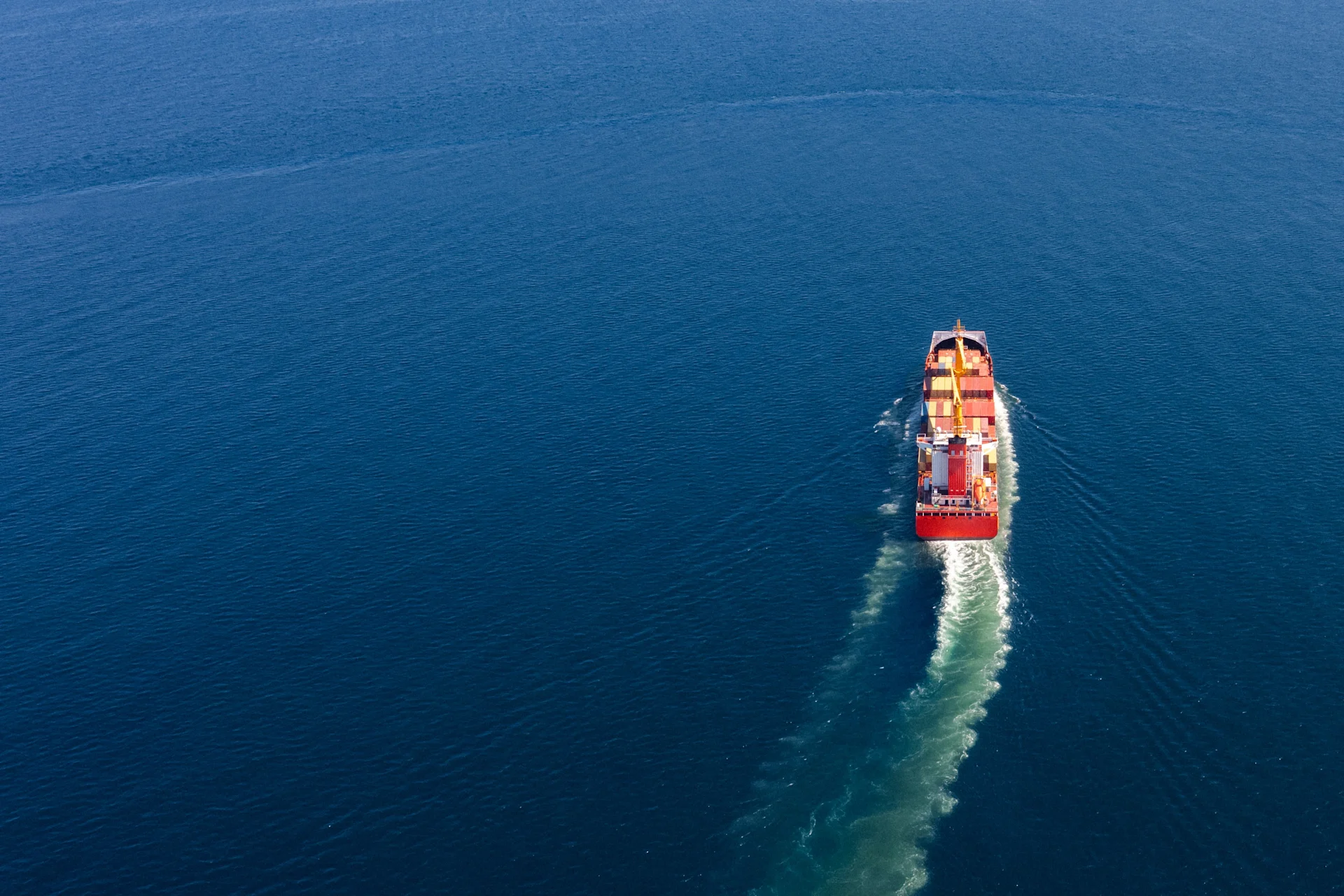
Container Cargo Freight Shipping - cropped
Home/
Industries/
Maritime Industry/
Maritime Decarbonisation Suite

Maritime Decarbonisation Suite

Certified training for LNG and methanol as alternative fuels, and dual-fuel engine operations—empowering your crews to support the green transition safely and confidently.
Explore CoursesTalk to a Training Consultant
Putting People First – The Increasing Importance of Human Capital in the Green Transition

Powering the Transition with People

The Maritime Decarbonization Suite is designed to help maritime operators adapt to the fuel transition through practical, certified training. Whether you're onboarding crew for methanol-fuelled newbuilds or operating LNG-fuelled vessels, we provide hands-on learning that supports compliance, safety, and performance.

  • IGF Code and STCW compliant

  • Supports methanol and LNG as alternative fuels

  • Dual-fuelled training on specific engine types

  • Available in Europe and Asia (Denmark, India, Philippines)
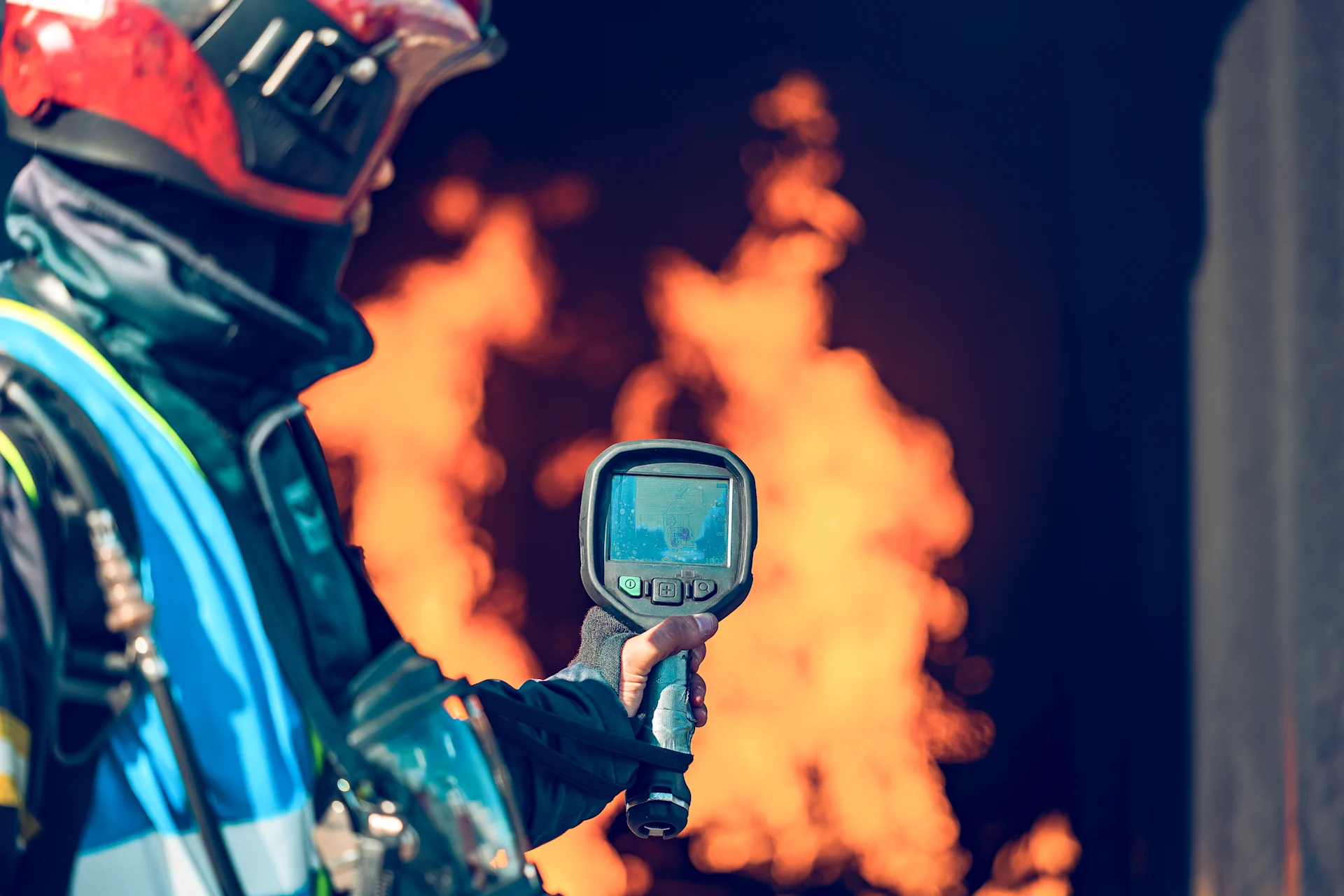
Fire Safety - Heat detection

Ideal For

  • Shipowners and managers with dual-fuel vessels

  • Shipowners and managers getting ready to transition to dual-fuel engines

  • Technical Directors and HSEQ leads who want to stay ahead of the trends

  • Crewing teams around the world

  • Shipyards supporting methanol-ready deliveries

Explore the Suite

Learn to safely handle alternative fuels—from bunkering to emergency protocols, operate and troubleshoot dual-fuel engines with simulator-based scenarios, and ensure safe loading, storage, and transfer with practical simulator exercises.
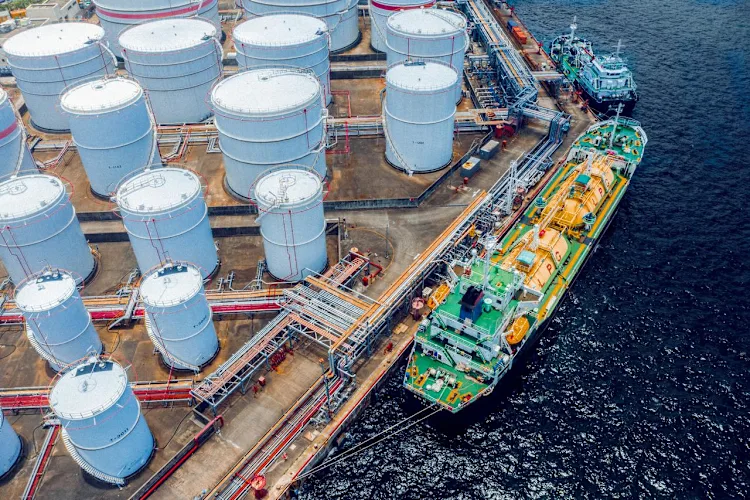
Aerial view of oil storage tank and pipeline steel

IGF Code Training - Basic, Advanced, Sea-Time Reduction

Our IGF Code Training Suite is your gateway to mastering the complexities of using gases or low-flashpoint fuels in maritime operations.

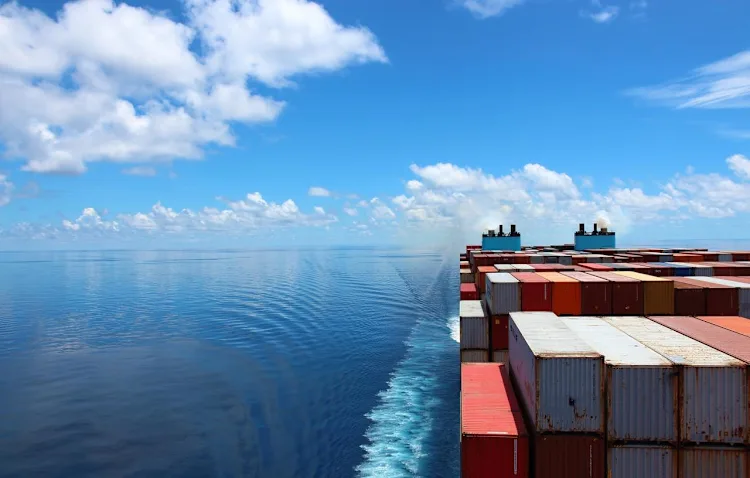
pov-of-container-ship

Basic Methanol Fuel Operations

This course builds key skills for safely handling methanol as a marine fuel. It covers properties, uses, and safety measures, helping your crew manage methanol dual fuel systems with confidence.
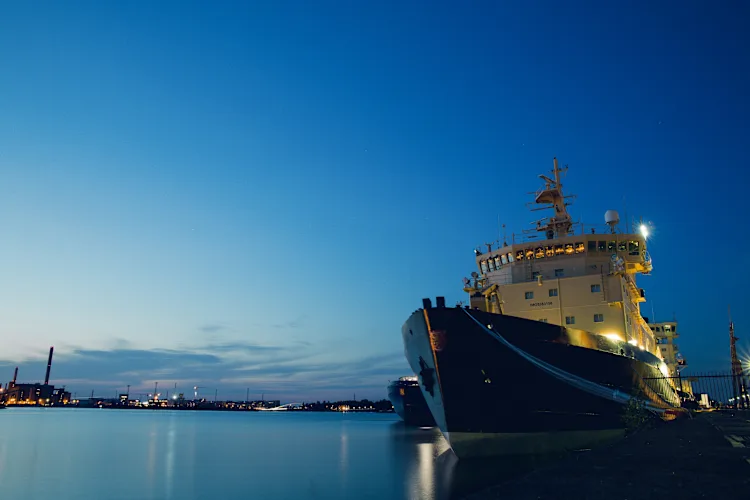
White and black ship (1)

Advanced Methanol Fuel Operations

This course builds advanced knowledge on methanol fuel systems under the IGF Code. You'll learn to assess risks, follow regulations, and manage methanol dual fuel systems safely. By course end, you'll handle failures and optimise vessel operations.
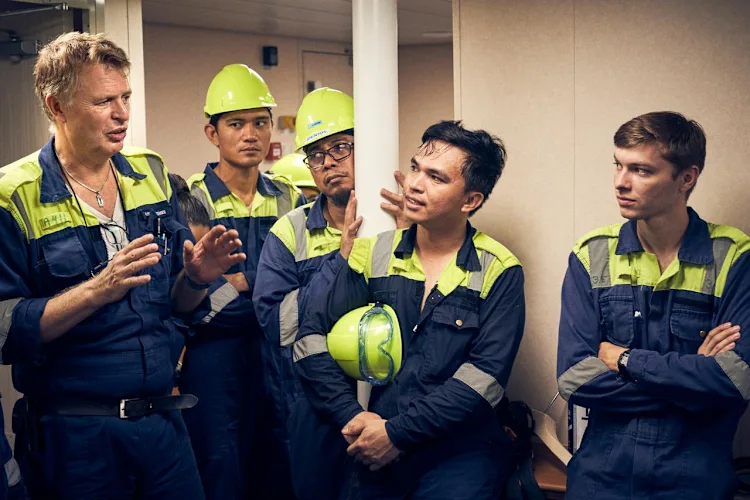
A group of workers in protective uniforms and helmets gather around a senior team member, who is explaining or instructing something. The crew listens intently, reflecting teamwork and knowledge sharing in a maritime setting.

LGIM Methanol Dual Fuel Engine

This course equips participants with the knowledge to operate MAN LGIM Methanol dual fuel engines safely and efficiently. It builds competency in troubleshooting and problem-solving during dual fuel operations.

colourful-shipping-containers-min

MEGI LNG Dual Fuel Engine

This course provides the knowledge needed to operate MAN MEGI dual fuel engines safely and efficiently. It builds competency in troubleshooting and problem-solving during dual fuel operation.

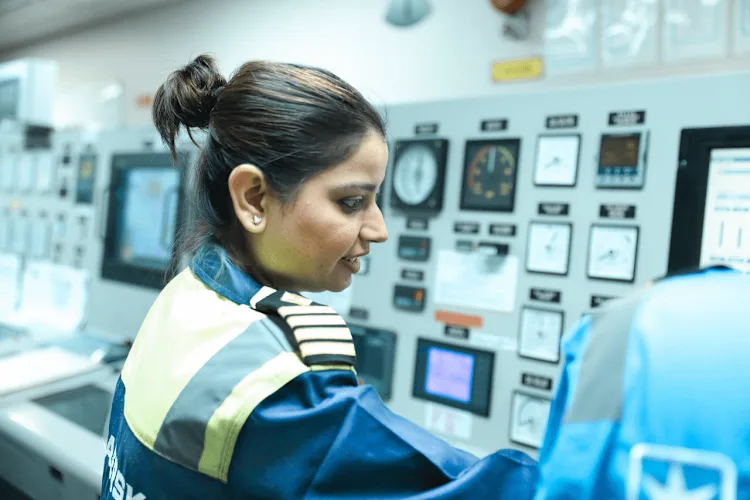
worker-control-room-min

ME-C Electronic Engine Standard Operation

This course provides the knowledge needed to operate MAN electronic engines safely and efficiently. It builds competency in systematic troubleshooting and problem-solving for electronically controlled engines.

Aerial view of oil storage tank and pipeline steel

IGF Code Training - Basic, Advanced, Sea-Time Reduction

Our IGF Code Training Suite is your gateway to mastering the complexities of using gases or low-flashpoint fuels in maritime operations.

pov-of-container-ship

Basic Methanol Fuel Operations

This course builds key skills for safely handling methanol as a marine fuel. It covers properties, uses, and safety measures, helping your crew manage methanol dual fuel systems with confidence.

White and black ship (1)

Advanced Methanol Fuel Operations

This course builds advanced knowledge on methanol fuel systems under the IGF Code. You'll learn to assess risks, follow regulations, and manage methanol dual fuel systems safely. By course end, you'll handle failures and optimise vessel operations.

A group of workers in protective uniforms and helmets gather around a senior team member, who is explaining or instructing something. The crew listens intently, reflecting teamwork and knowledge sharing in a maritime setting.

LGIM Methanol Dual Fuel Engine

This course equips participants with the knowledge to operate MAN LGIM Methanol dual fuel engines safely and efficiently. It builds competency in troubleshooting and problem-solving during dual fuel operations.

colourful-shipping-containers-min

MEGI LNG Dual Fuel Engine

This course provides the knowledge needed to operate MAN MEGI dual fuel engines safely and efficiently. It builds competency in troubleshooting and problem-solving during dual fuel operation.

worker-control-room-min

ME-C Electronic Engine Standard Operation

This course provides the knowledge needed to operate MAN electronic engines safely and efficiently. It builds competency in systematic troubleshooting and problem-solving for electronically controlled engines.

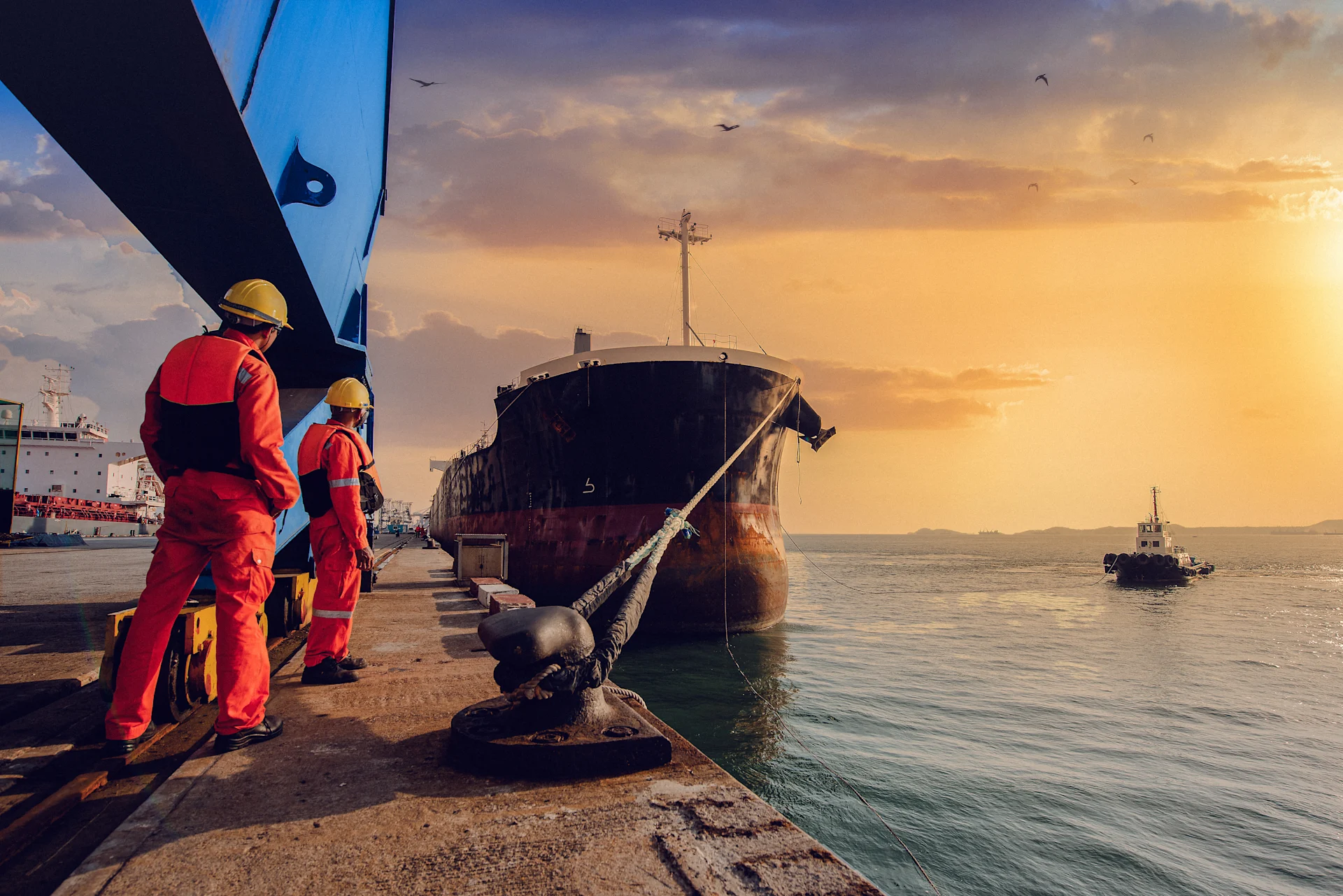
Two workers in safety gear supervise the mooring of a large cargo vessel at sunset, while a tugboat assists in the background. The scene highlights maritime operations and safety at port.

Empower Your Crews on Energy Efficiency

Did you know that crew behaviour plays a crucial role in fuel emissions and energy efficiency? By focusing on behaviour-based energy efficiency workshops, Maersk Supply Services achieved an 8.4% fuel saving and reduced CO2 emissions by 2,487 tonnes.

Our workshops focus on:

  • Leadership Commitment - Driving energy efficiency through strong leadership.

  • Behaviour Change - How small shifts in crew behaviour can lead to big operational improvements.

  • Environmental Stewardship - Supporting sustainability and decarbonisation goals.

  • Operational Efficiency - Enhancing efficiency by aligning crew actions with energy-saving goals.

Our behaviour-based Energy Efficiency Workshops can be customized to meet your company’s unique needs, processes, and reporting requirements.

Why It Matters

Comply with global fuel transition requirements

Reduce risk through certified, practical training

Support on-time vessel delivery with well-trained crew

Improve safety and operational performance
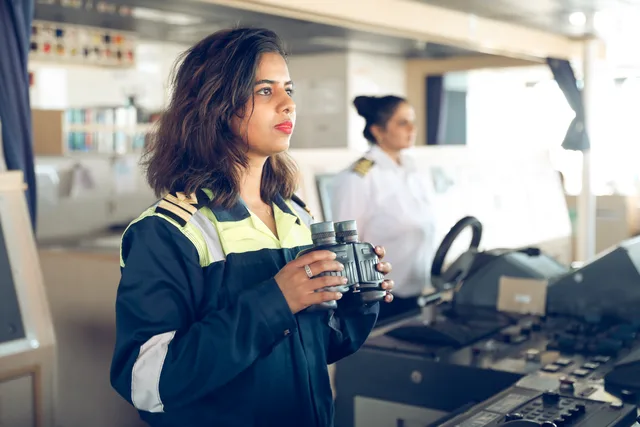
ship-officer-looking-out

Ready to empower your people for a net-zero future?

We can support you in every step of your Maritime Decarbonisation journey.

Talk to a Training Consultant

Research Partnerships and Academic Articles

We collaborate with leading researchers and institutions to stay at the forefront of maritime decarbonisation. Explore articles that support our training programmes and evidence-based actions across the industry.
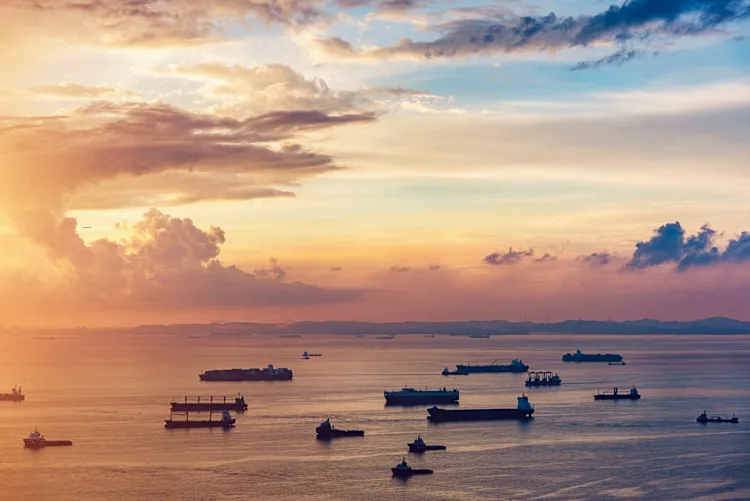
Aerial view of freight transportation ships in Asia

Ammonia as Fuel - Competencies and Training

New ammonia training framework released by the Maersk Mc-Kinney Møller Center for Zero Carbon Shipping (MMMCZCS) and Lloyd's Register (LR) Decarbonization Hub, supporting safe, fuel-specific training as outlined by IMO’s HTW 11. Maersk Training contributed to the review, ensuring practical relevance for crew and operators. A strong step forward for ammonia readiness in maritime.

Putting People First – The Increasing Importance of Human Capital in the Green Transition

Putting People First - The Increasing Importance of Human Capital in the Green Transition

This theoretical discourse seeks to highlight the role of human capital in this regard; the seafarers, shore-based personnel or the educators in promoting decarbonization agenda.

Overcoming Challenges in the Alternative Fuels Transition

Overcoming Challenges in the Alternative Fuels Transition

The maritime industry is shifting from heavy fuel oils to alternatives like LNG, methanol, ammonia, and hydrogen due to strict environmental regulations. This paper explores key barriers—technical, economic, regulatory, and human—and proposes ways to overcome them, using both technical analysis and broader industry perspectives.

Kongsberg - bridge simulator Dubai

Sustainable Development Goals and Maritime Training

In this article, we explore the ways in which maritime training can contribute to the industry’s sustainability and how it supports the United Nations Sustainable Development Goals (SDGs).

Aerial view of freight transportation ships in Asia

Ammonia as Fuel - Competencies and Training

New ammonia training framework released by the Maersk Mc-Kinney Møller Center for Zero Carbon Shipping (MMMCZCS) and Lloyd's Register (LR) Decarbonization Hub, supporting safe, fuel-specific training as outlined by IMO’s HTW 11. Maersk Training contributed to the review, ensuring practical relevance for crew and operators. A strong step forward for ammonia readiness in maritime.

Putting People First – The Increasing Importance of Human Capital in the Green Transition

Putting People First - The Increasing Importance of Human Capital in the Green Transition

This theoretical discourse seeks to highlight the role of human capital in this regard; the seafarers, shore-based personnel or the educators in promoting decarbonization agenda.

Overcoming Challenges in the Alternative Fuels Transition

Overcoming Challenges in the Alternative Fuels Transition

The maritime industry is shifting from heavy fuel oils to alternatives like LNG, methanol, ammonia, and hydrogen due to strict environmental regulations. This paper explores key barriers—technical, economic, regulatory, and human—and proposes ways to overcome them, using both technical analysis and broader industry perspectives.

Kongsberg - bridge simulator Dubai

Sustainable Development Goals and Maritime Training

In this article, we explore the ways in which maritime training can contribute to the industry’s sustainability and how it supports the United Nations Sustainable Development Goals (SDGs).