From first-mover experience to crew readiness on methanol vessels
November 2026

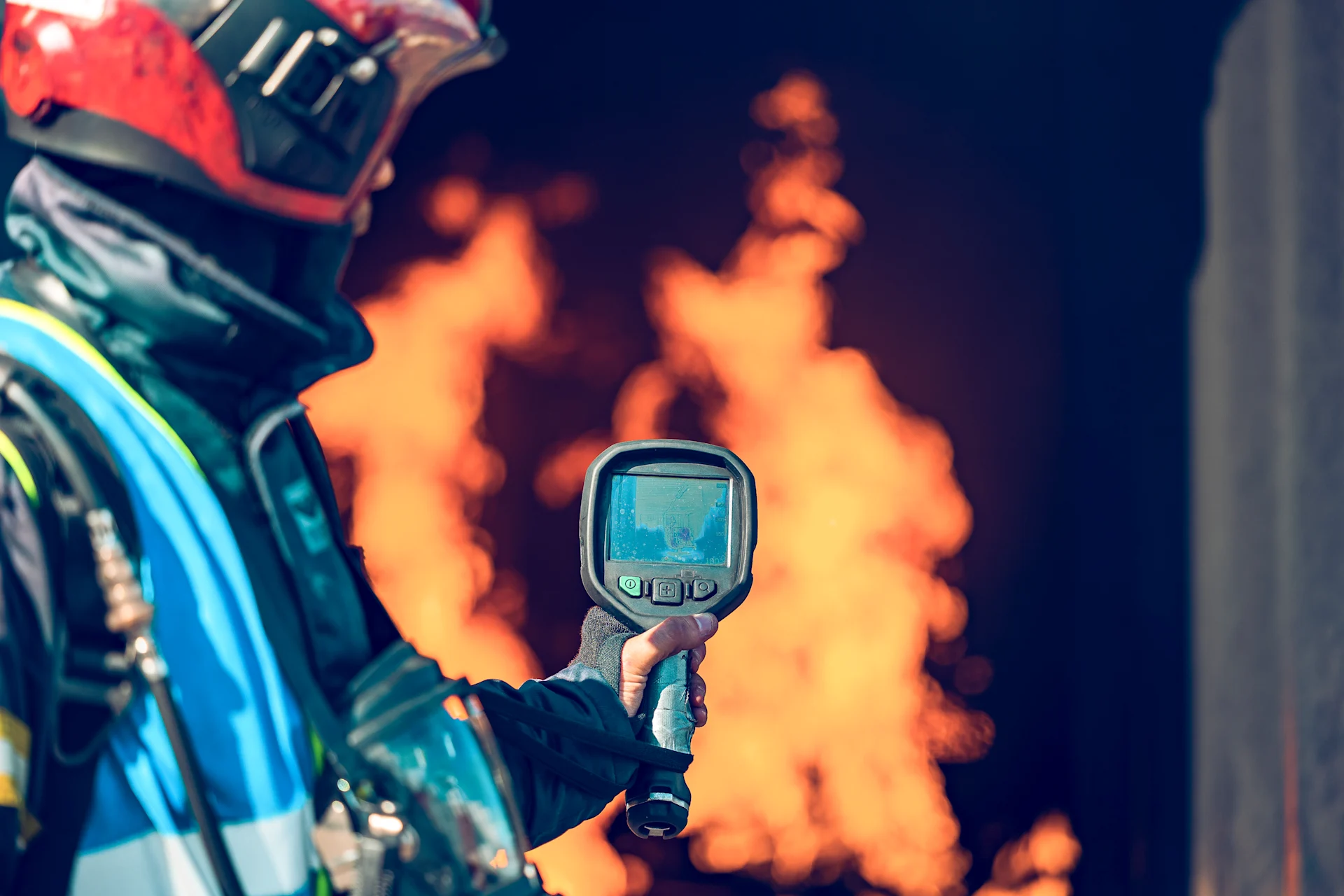
The Mærsk Mc-Kinney Møller Center for Zero Carbon Shipping has published Methanol Ship Design and Operations: Insights from First-Mover Experience – a valuable contribution to the industry. The report brings together feedback from across the maritime value chain on designing, bunkering, and operating methanol-fuelled vessels. It turns real operational experience into practical guidance for the operators who follow. Per Larsen, Managing Director for Denmark at Maersk Training, has followed the work on methanol implementation closely, with particular focus on crew readiness and training. In this article, Per reflects on what the findings mean for training and crew competence.
Methanol is now an operational reality
I want to start by recognising the work behind this report. First movers rarely have time to document what they learn. Gathering that experience in one place, and sharing it openly, gives every operator who follows a clear place to start. It helps create alignment between the different stakeholders and moves from the isolated first mover initiatives into a more scalable approach build on common best practice.
The report's first conclusion matches what I see across the industry. Methanol has moved from concept to commercial operation [1]. First movers have shown that methanol-fuelled vessels can be designed, built, bunkered, and operated safely and effectively.
For the operators who come next, the question has changed. It is no longer whether methanol works. It is how quickly their crews can reach the same level of readiness without repeating the same mistakes.
In my experience, that is a people question as much as a technical one.
Readiness comes from competence, not certificates alone
One finding stood out to me above the rest. The report concludes that operational readiness came from competence, not certification alone [1]. First movers pointed to vessel-specific familiarisation, onboard experience, and alignment between ship and shore as essential.
I see this regularly in our training centres. A certificate confirms that a seafarer has met a minimum standard. It does not confirm that a crew can work together when a fuel system behaves unexpectedly during bunkering, or when a leak alarm sounds at night.
I see certification as the foundation. Competence is built on top of it, through practice, repetition, and exposure to realistic scenarios. And ideally put into the context of the specific vessel systems and operational procedures.
Many challenges sit at the interfaces
The report also found that many challenges arose at system interfaces rather than within the engine itself [1]. Outcomes depended on how vessel design, fuel systems, automation, safety systems, procedures, and people were integrated.
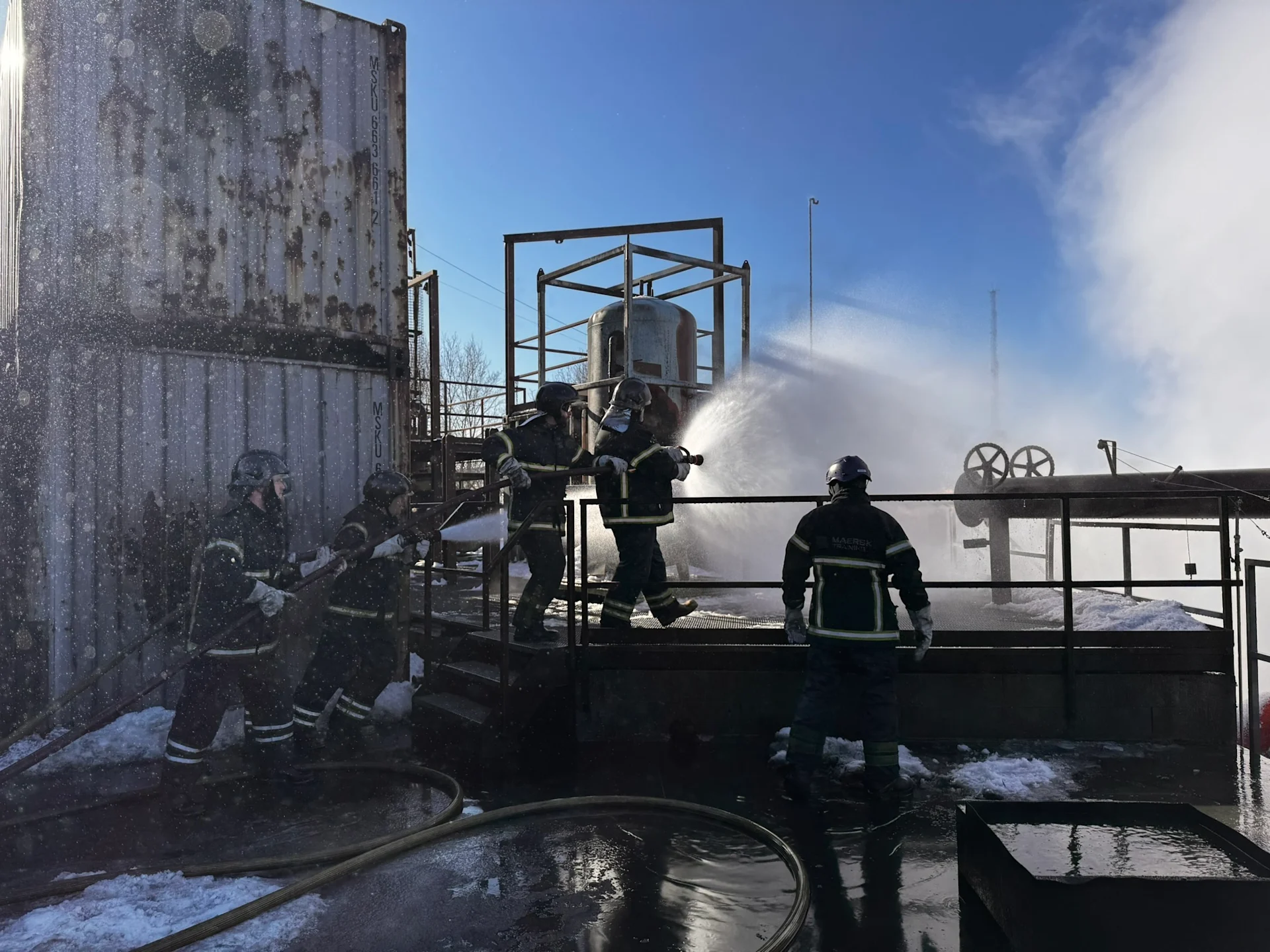
For me, this finding holds the clearest lesson for training. Crews need to understand the methanol fuel system as part of the whole vessel. They need to know how it connects to ventilation, gas detection, fire protection, and emergency response. They also need to practise the handovers between deck and engine, and between ship and terminal. And they need to have a strong foundation within operational leadership and fault-finding, to solve the often complex scenarios they encounter when integrated systems need to function reliable and safe.
Turning these learnings into training
At Maersk Training, we have supported multiple first movers over the last 4 years as they prepared their crews for methanol operations. What we have learned from that work shapes how we train today.
Our Basic and Advanced Methanol Fuel Operations courses are aligned with the IMO generic interim guidelines on training for seafarers on ships using alternative fuels and new technologies [2], DNV-ST-0687 [3], and the Maritime Just Transition Task Force training frameworks for methanol [4]. They build from fuel properties and hazards to the applied competence needed to plan, supervise, and intervene during methanol operations, including abnormal conditions.
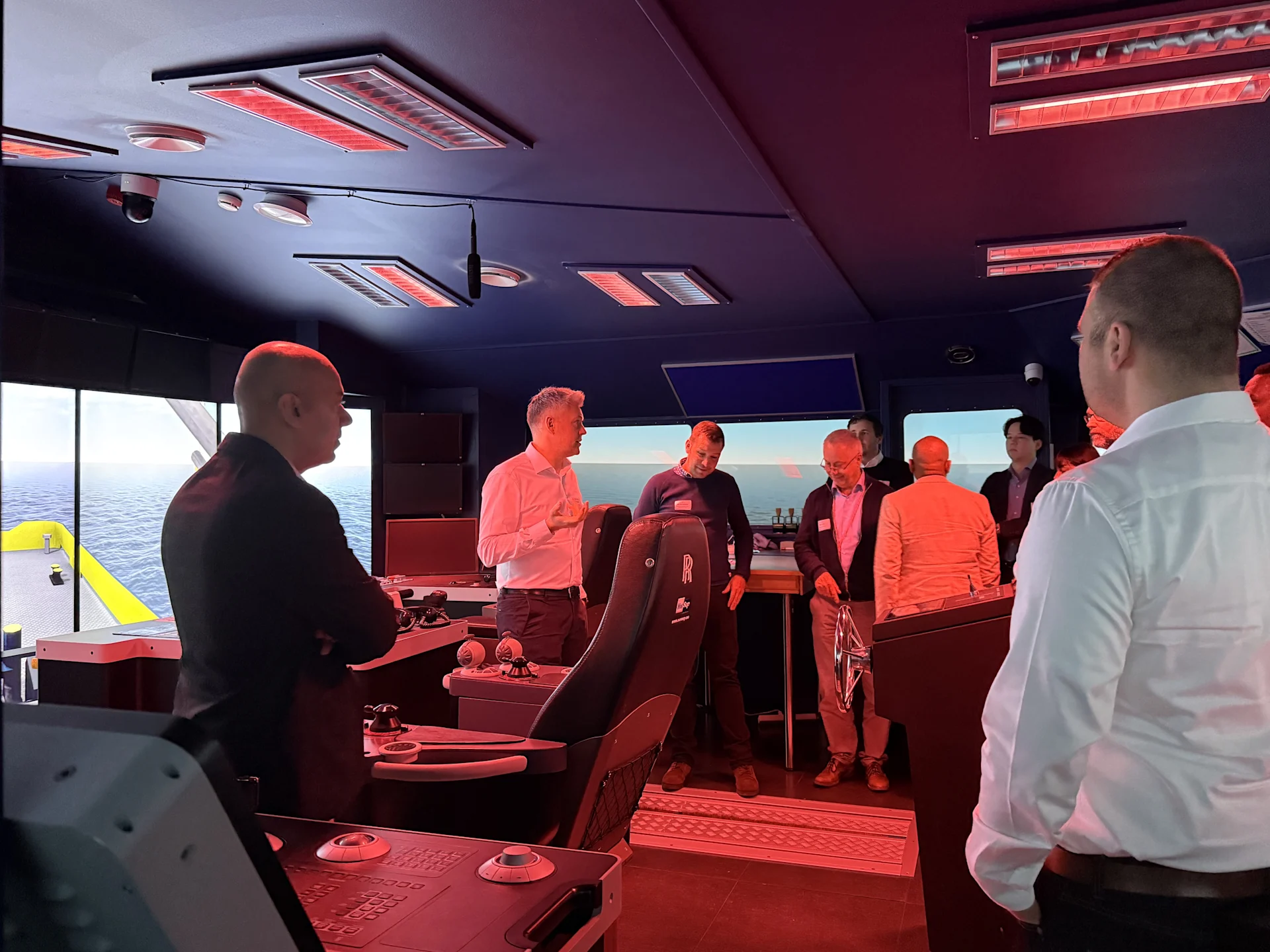
In Svendborg, our IGF courses include LNG and methanol bunkering exercises in realistic scenarios. The focus is on situation awareness, decision-making, teamwork, and procedural discipline, and applying these in the specific technical context. In my view, these are the same areas the report links to safe operations.
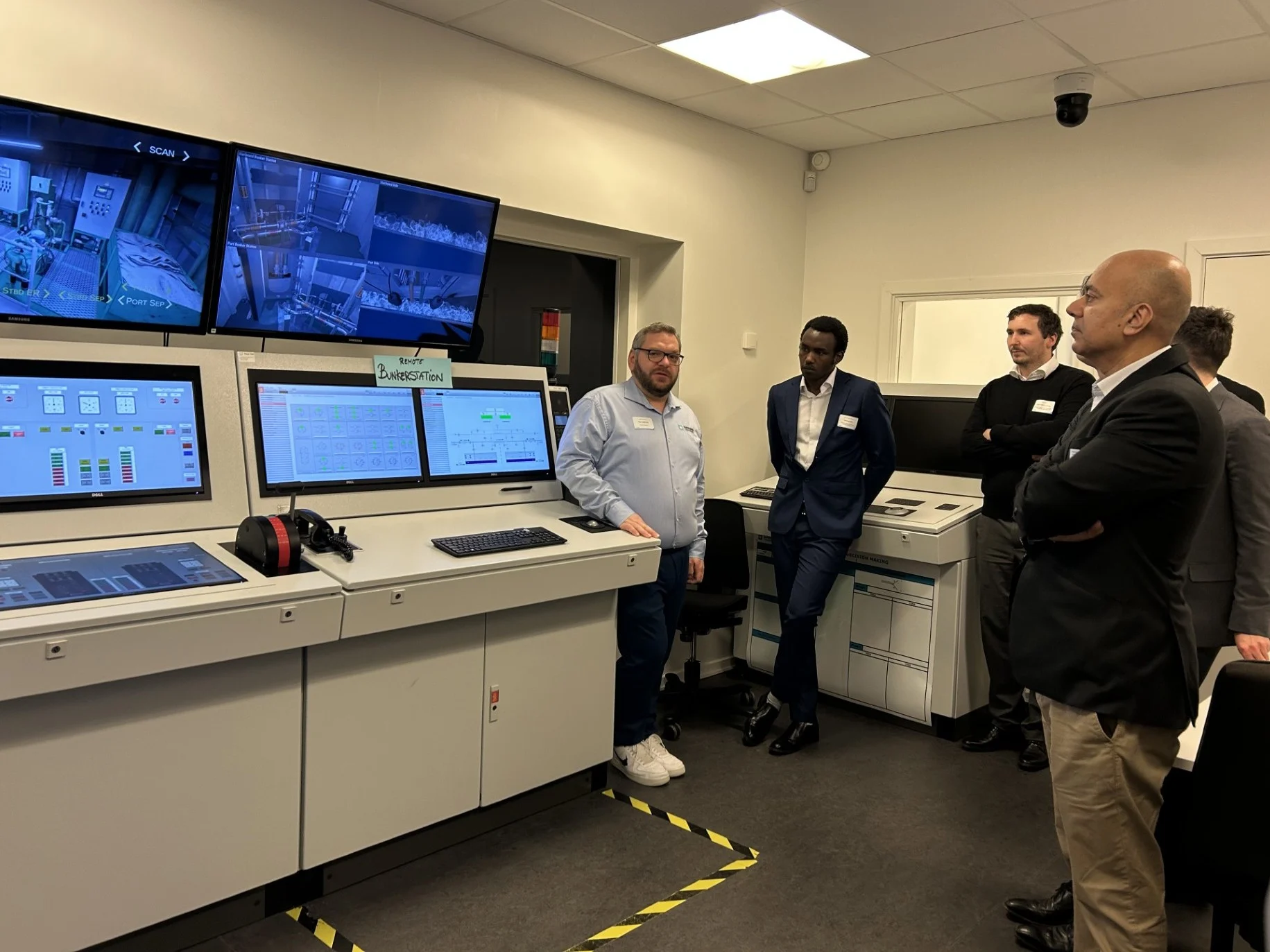
We deliver this training in Denmark, India, and the Philippines. Where operators need it, we tailor content to specific engine types and vessel designs, so familiarisation reflects the systems crews will actually run, and we make it easy for crews to turn theory into real competency and confidence.
Shared experience speeds up adoption
The report's final point is about collaboration. Sharing first-mover experience helps the industry avoid solving the same challenges again and again [1].
Training has a role here. Every course brings together seafarers from different operators, vessel types, and positions. Lessons from one fleet become shared knowledge for the next. I find my conversations with stakeholders – from seafarers doing the training, to vessel operators and industry lighthouses like the MMMZCSC – valuable for keeping our training aligned with what operators are experiencing on board.
If you are preparing crews for a methanol newbuild or retrofit, or reviewing how you maintain competence across an existing fleet, how are you measuring readiness beyond the certificate? We are always open to a conversation about it.
References
-
Mærsk Mc-Kinney Møller Center for Zero Carbon Shipping (2026). Methanol Ship Design and Operations: Insights from First-Mover Experience.
-
International Maritime Organization (2025). STCW.7/Circ.25, Generic interim guidelines on training for seafarers on ships using alternative fuels and new technologies.
-
DNV (2024). DNV-ST-0687, Competence related to the use of methanol as fuel.
-
Maritime Just Transition Task Force (2025). Basic and Advanced Training Frameworks and Instructor Handbooks for Methanol, Ammonia, and Hydrogen as Marine Fuel.