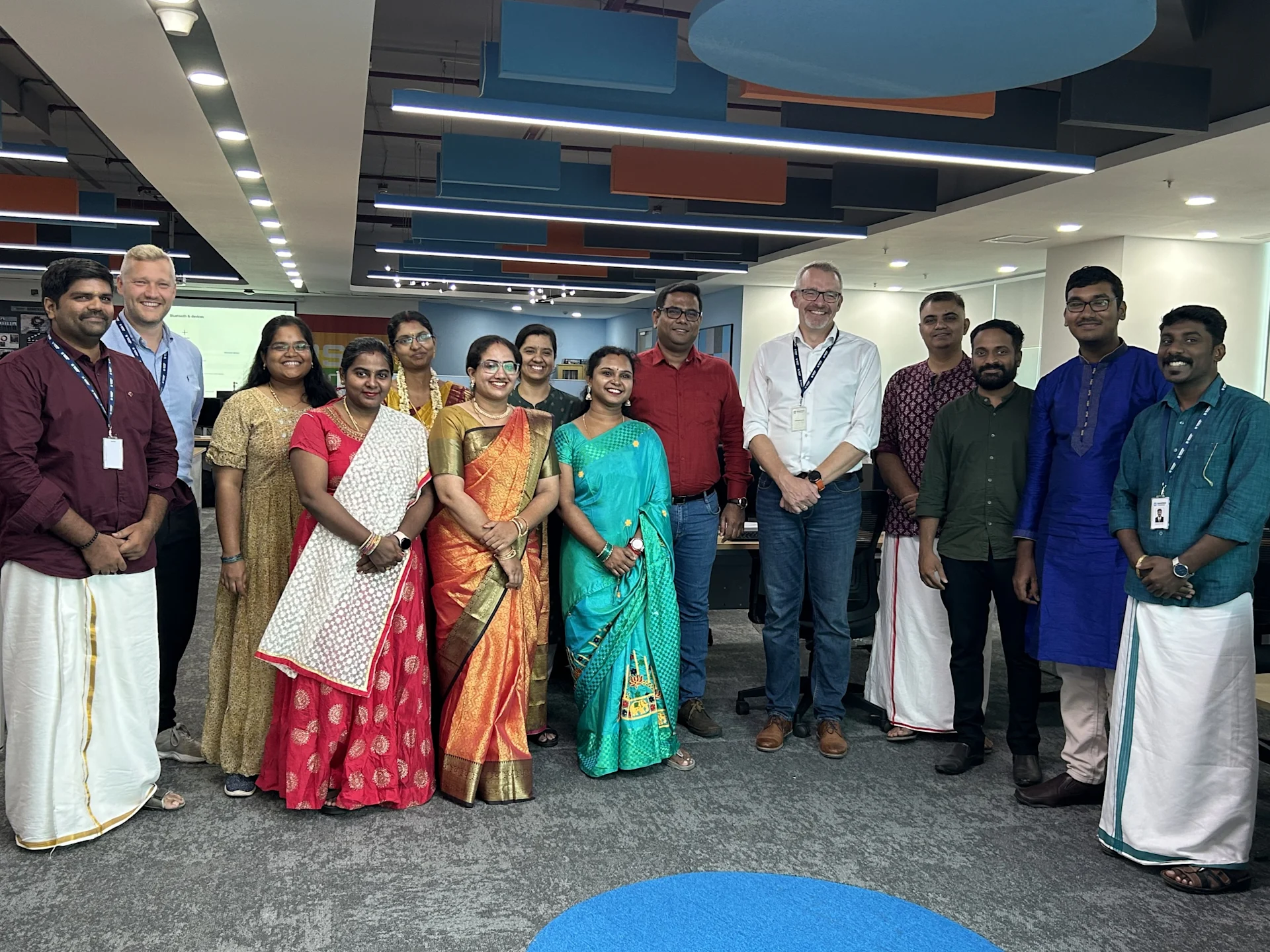
Kim Nørgaard Andreasen: the discipline of less complexity and more clarity
April 2026

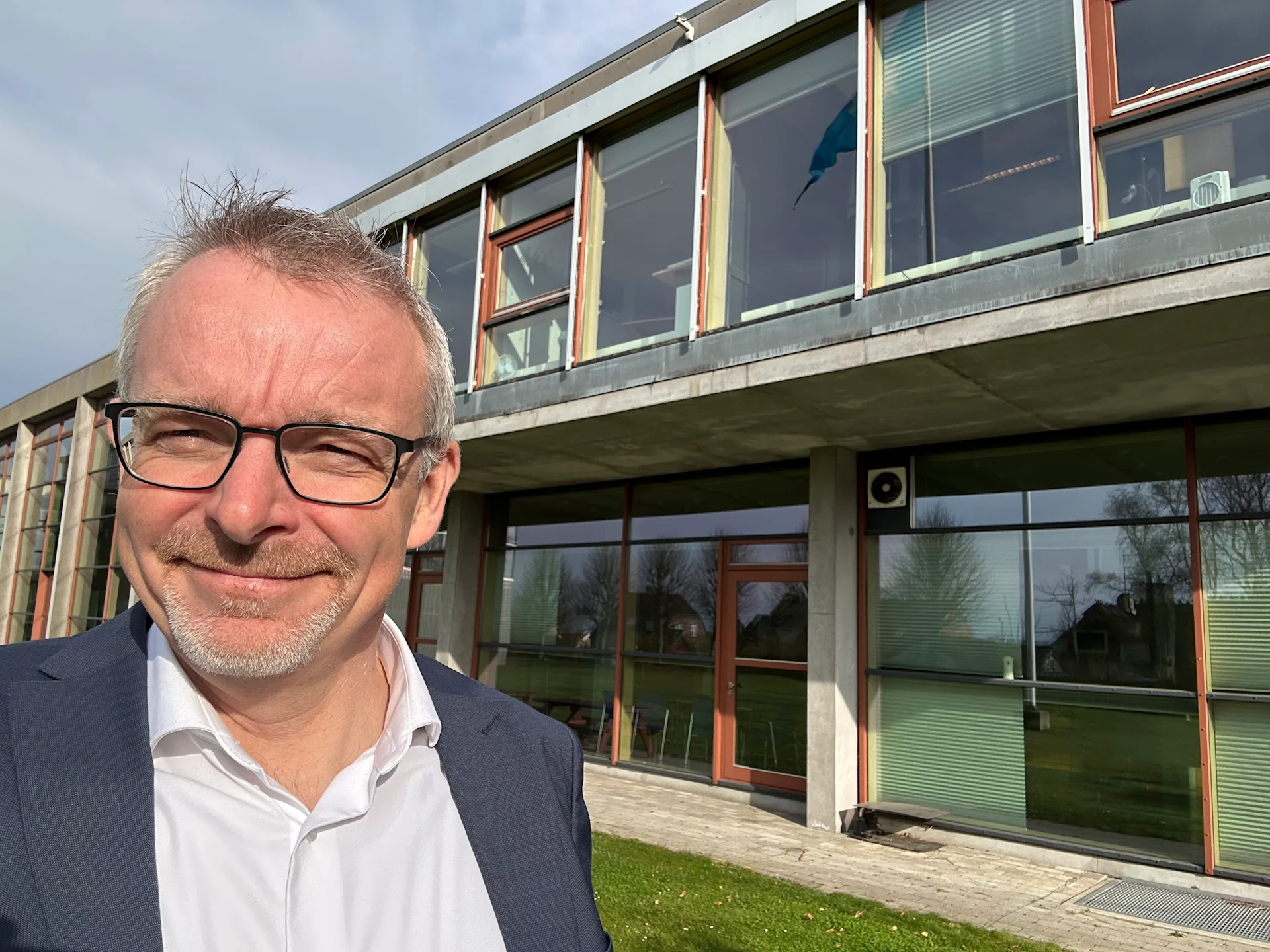
Beyond the finance remit
Kim Nørgaard Andreasen built his career on a simple conviction: financial leadership matters most when it actively drives business results. From early on, he chose to work close to operations and management – not just on reporting and control, but on how insight and transparency help people make better decisions.
That focus has taken him well beyond the traditional remit of finance. He has held a CEO role, stepped into responsibilities resembling a COO, and contributed to several boards along the way. Each gave him a broader lens on how companies actually perform.
"My career has been shaped by a strong interest in how financial leadership can actively drive business results."
One chapter has stayed with him more than any other. As CEO of Aloc, a Scandinavian-focused software company, Kim took two principles he still returns to today.
The first: action on incomplete knowledge beats endless planning. For six months, he pinned the Nike slogan "Just do it" on his office door as a daily reminder that he would rather see colleagues act on their best instincts than stall in analysis.
The second: the immense power of simplicity. Remove unneeded complexity, and everything becomes easier and more efficient.
A privileged seat at a turnaround
Being CFO of Maersk Training, Kim says, is a privilege. He is surrounded by skilled and engaged colleagues, both in finance and across the wider organisation, and that shapes how he leads.
His role centres on creating transparency on financial performance at every level of the business, then using that knowledge to forecast, challenge, and improve what comes next. But more than anything, his job is to enable the great work already happening across the organisation.
"It has been absolutely impressive to be part of the Maersk Training journey over the last few years."
He has watched the company move through the difficult results of 2024, into an unpleasant but necessary turnaround, and on into a period of strong performance through 2025 and into 2026. Challenges remain – some of them genuinely difficult – but he sees a strong and dedicated organisation taking material steps towards a brighter future through satisfied customers and solid profitability.
No such thing as a typical day
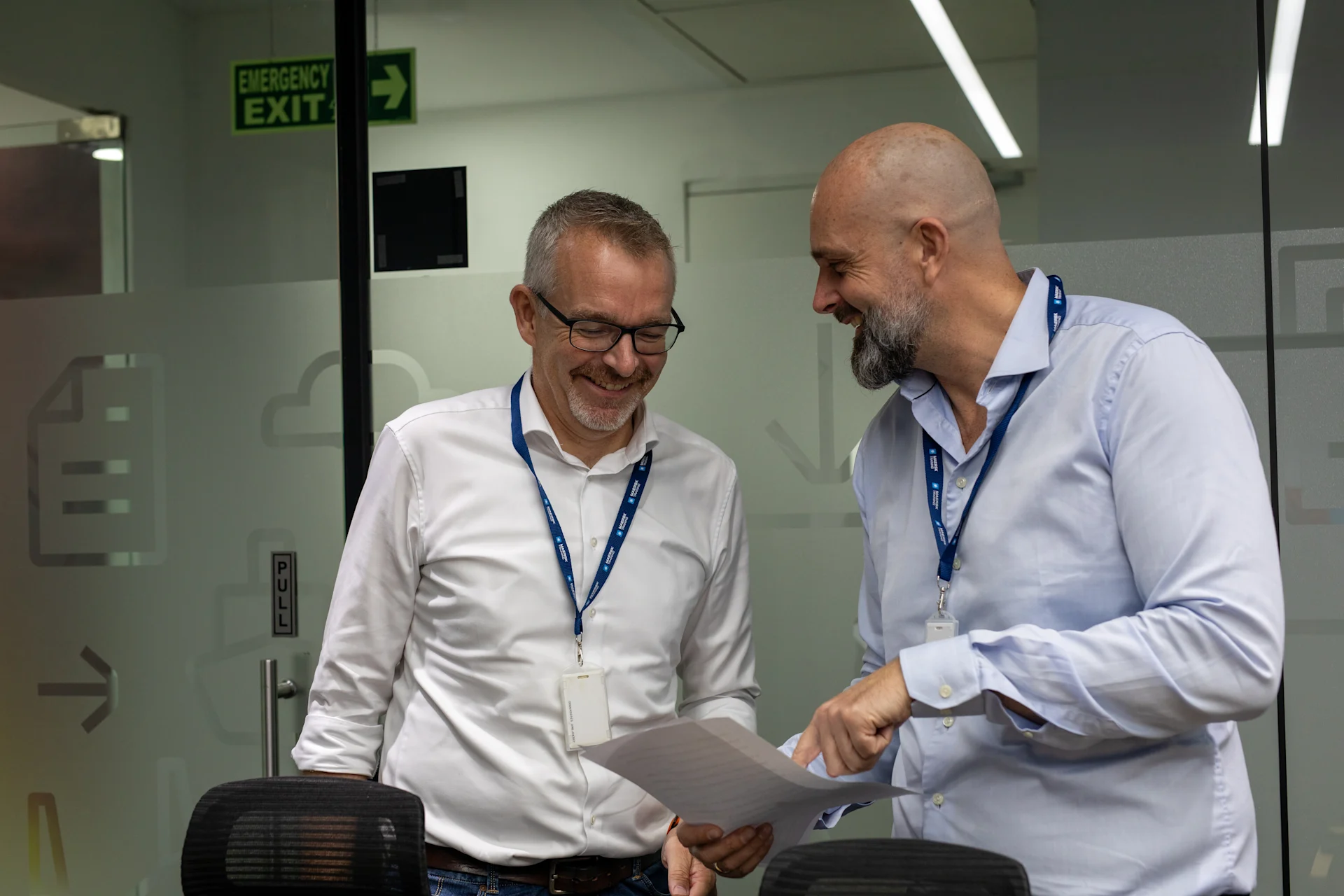
There is rarely a typical day. Kim's time splits between strategic and tactical conversations with the executive leadership team, performance follow-up, risk and opportunity assessment, and developing the finance function through dialogue and problem-solving.
He also protects time for something less visible: preparation and reflection.
"The quality of financial decisions often depends on the quality of the thinking behind them."
Keeping teams aligned across regions and time zones is a structural challenge for any global organisation that is also relatively small and dispersed. For Kim, alignment starts with clarity: clear objectives, shared priorities, and transparent metrics create a common direction.
He tries to balance shared knowledge and discussion with the need to let people focus without constant corporate interruption. Communication and follow-through, supported by trust and accountability, keep teams operating with the same ambition and the same definition of success.
Deciding with focus, balancing the horizon
When priorities compete, Kim anchors his decisions in one question: what strengthens the company's ability to deliver results, both now and over time? From there, he weighs impact, risk, and execution capacity. Always grounded in strategic objectives and financial resilience.
He does not treat short-term and long-term goals as opposing forces. In his view, they are closely linked.
"I never met someone who completed a marathon well, without having very short-term goals for this week's running."
Strong short-term performance, he argues, is what makes meaningful long-term investment possible. He has heard the argument many times that short-term focus endangers long-term value creation but in his experience, the opposite is more often true.
Two industry trends shape his planning today. The geopolitical environment is making it harder to plan ahead without serious risk scenarios, which means the organisation must keep raising its performance to absorb unplanned challenges on top of its plans. And the industry itself is highly competitive, with consolidation moving on both the customer and competitor side. In that landscape, focus on customer value and financial results is not optional. It is how you win over time.
Lessons that keep returning
Two lessons have stayed with Kim throughout his career.
The first is the discipline of focus. Great results require clarity on what matters and why. And from that follows the courage to prioritise, say no to "nice to have," and remove complexity and friction on a continuous basis.
The second is how people work together. It must be built on trust and what he calls straightforward honesty. Fundamental trust in each other's intentions and integrity, and the willingness to say things as you see them, respectfully but clearly, to help each other and the business move forward.
"Act as if it is your pension fund invested in the shares."
That piece of advice, shared with him early on, aligns closely with his own values. If everyone brings that mindset into daily performance – and thinks like a shareholder when spending the company's resources – the business will be well off.
Finance as a performance driver
Kim's ambition for his function is clear. He wants finance to be recognised as a genuine performance driver for the wider business: enabling sharper decisions, faster execution, and better capital allocation through transparency.
"I want the finance function to be seen as an enabler of growth, efficiency, and strategic clarity."
The biggest opportunity he sees internally? A relentless focus on simplicity. Maersk Training has a strong culture with much to be proud of, but he is candid about one concern: a tendency to make things too complicated. Cutting through that complexity, he believes, will bring sharper direction and more efficient operations.
Progress, for him, is first measured in financial results. The Group Scorecard is the company's licence to operate. Beyond the numbers, he takes real pleasure in watching people grow in their roles. It matters for them personally, and it makes the company stronger.
Life in motion
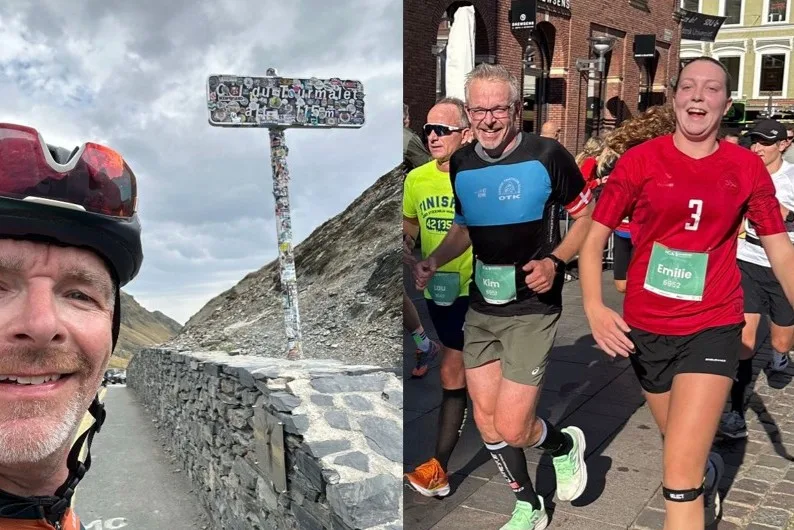
Outside work, Kim looks for activities that let his brain and body work in a very different way than the office demands. He does some DIY around the house, and spends a lot of time on his road bike, in his running shoes, and – in the Danish summer – in a wetsuit for open water swimming.
Since 2014, he has completed at least one Ironman 70.3 every year – including two full-distance Ironman 140.6 events. In August 2025, he cycled across the Pyrenees, including the Col du Tourmalet. Last September 2025, he ran a half marathon alongside his oldest daughter.
"Having those in the calendar ensures I get the exercise done when it is cold and rainy – I do live in Denmark."
To stay curious, he leans on continuous learning, reflection, and conversations beyond his immediate professional world. He keeps a little board work on the side and facilitates a network of CFOs in his spare time, which both help him challenge assumptions and hold perspective.
What inspires him most are people and organisations that combine strong ambition with integrity, and consistently translate intent into impact. He considers himself fortunate to count some impressive entrepreneurs and professionals in his network, and finds watching their journeys a real source of motivation.
Ambition, honesty, and knowing when to let go
As a leader, Kim aligns himself to three things: ambition, straightforward communication, and teamwork. Ambitious results come from honest communication but also from making time for a laugh, a meal, or a drink together.
For anyone early in their career, his advice is direct. Focus on understanding how the whole business creates value, not just your own function. Be curious. Take responsibility. Remember that long-term impact is built through consistent performance over time.
And to a younger version of himself, one last piece of wisdom – a Danish phrase that does not quite translate:
"Pyt med det. Some days, just let it go."
He used to dwell too long on initiatives that did not land. The lesson now is simpler: take the quick learning, and move on to the next challenge.