Per Larsen: one port at a time, one voyage at a time
September 2026

From scout troops to ship's watch
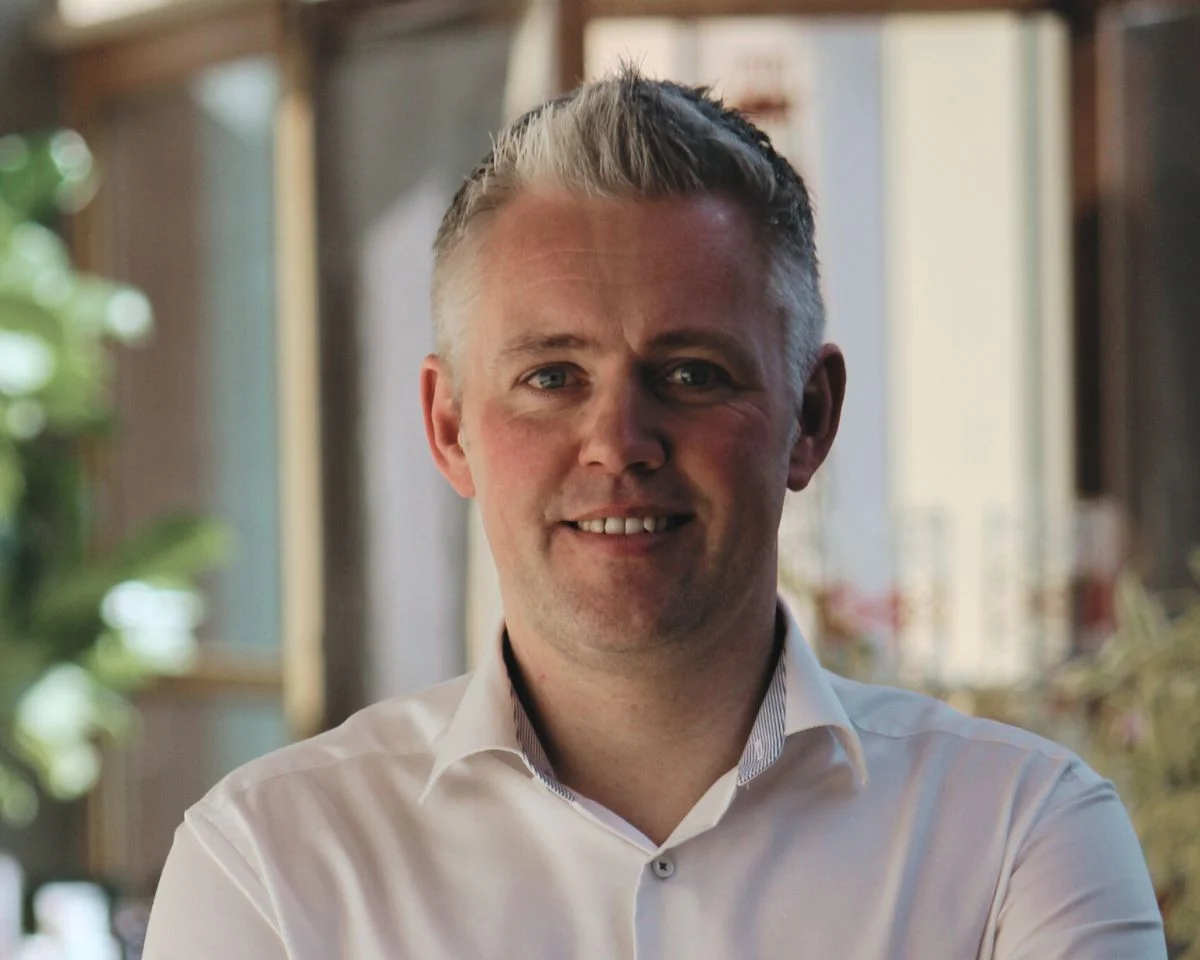
Per Larsen's leadership was shaped long before he ever set foot in an office. Two experiences still run through everything he does: the scout movement, and more than ten years at sea.
“That whole idea of learning by doing – and being comfortable with, and actually thriving in, situations where you don’t yet know the answer – is definitely something I have carried with me.”
Scouting taught him curiosity, and something else he still leans on: children leading children. Small teams, different capabilities, a shared task. “You might be the leader, but you were still very much part of the group.”
It also taught him something about endurance. On a multi-day hike, with a heavy backpack and too little sleep, people disagree and get frustrated. But there’s a lesson in pushing on anyway.
“You learn that if you keep going and don’t give up, most things are possible. You also have a shared responsibility for making the team work and contributing with whatever you are particularly good at.”
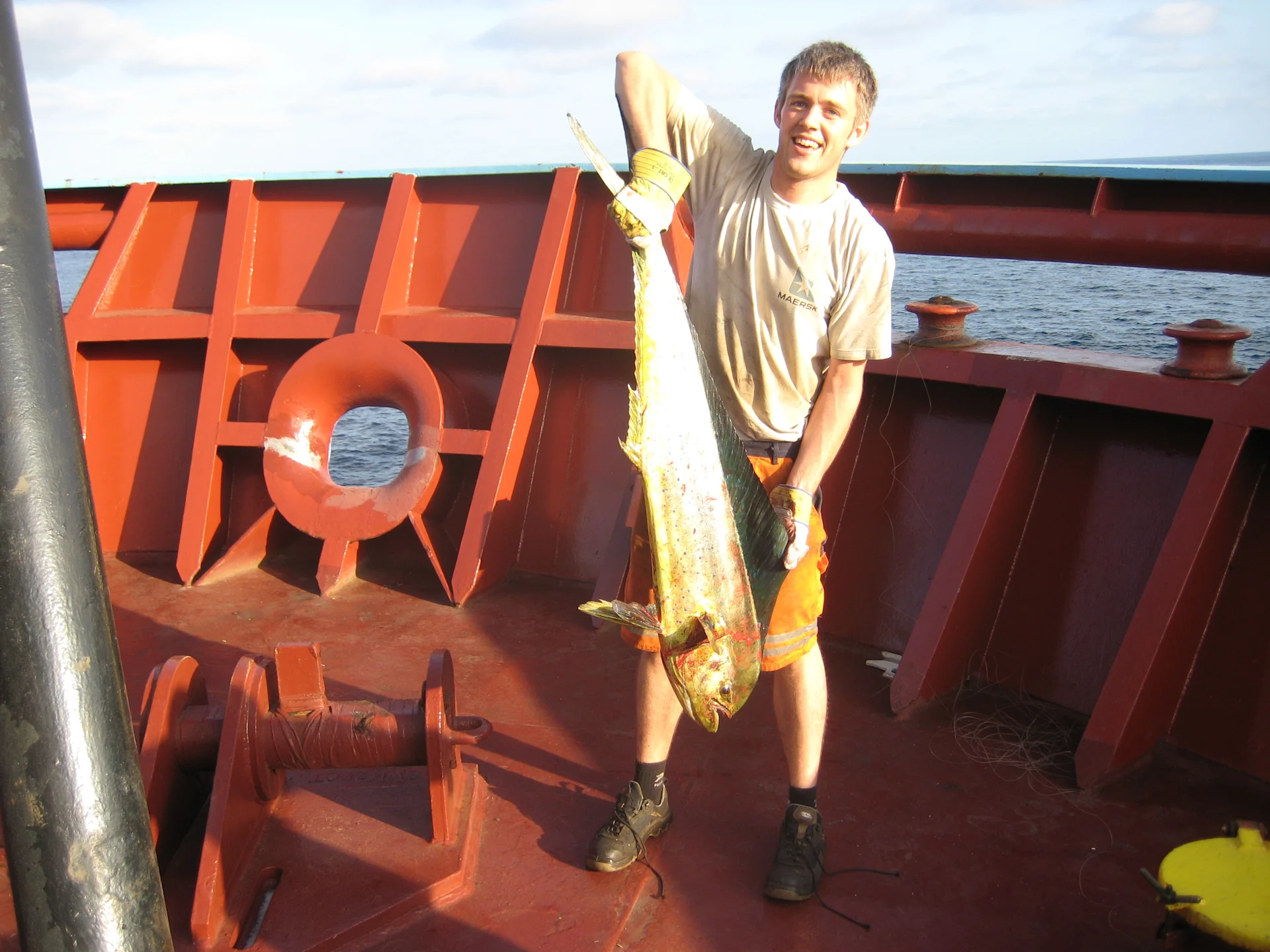
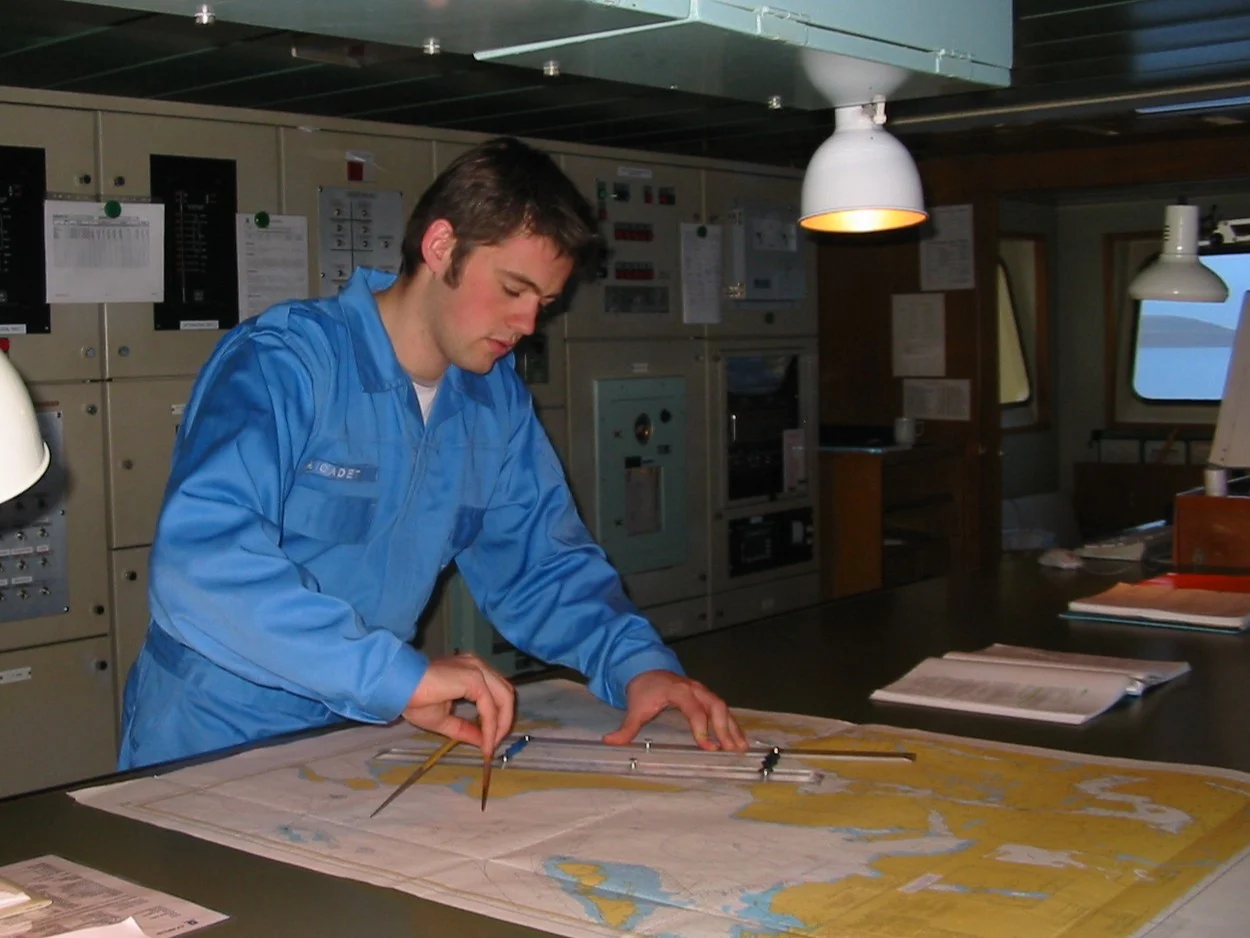
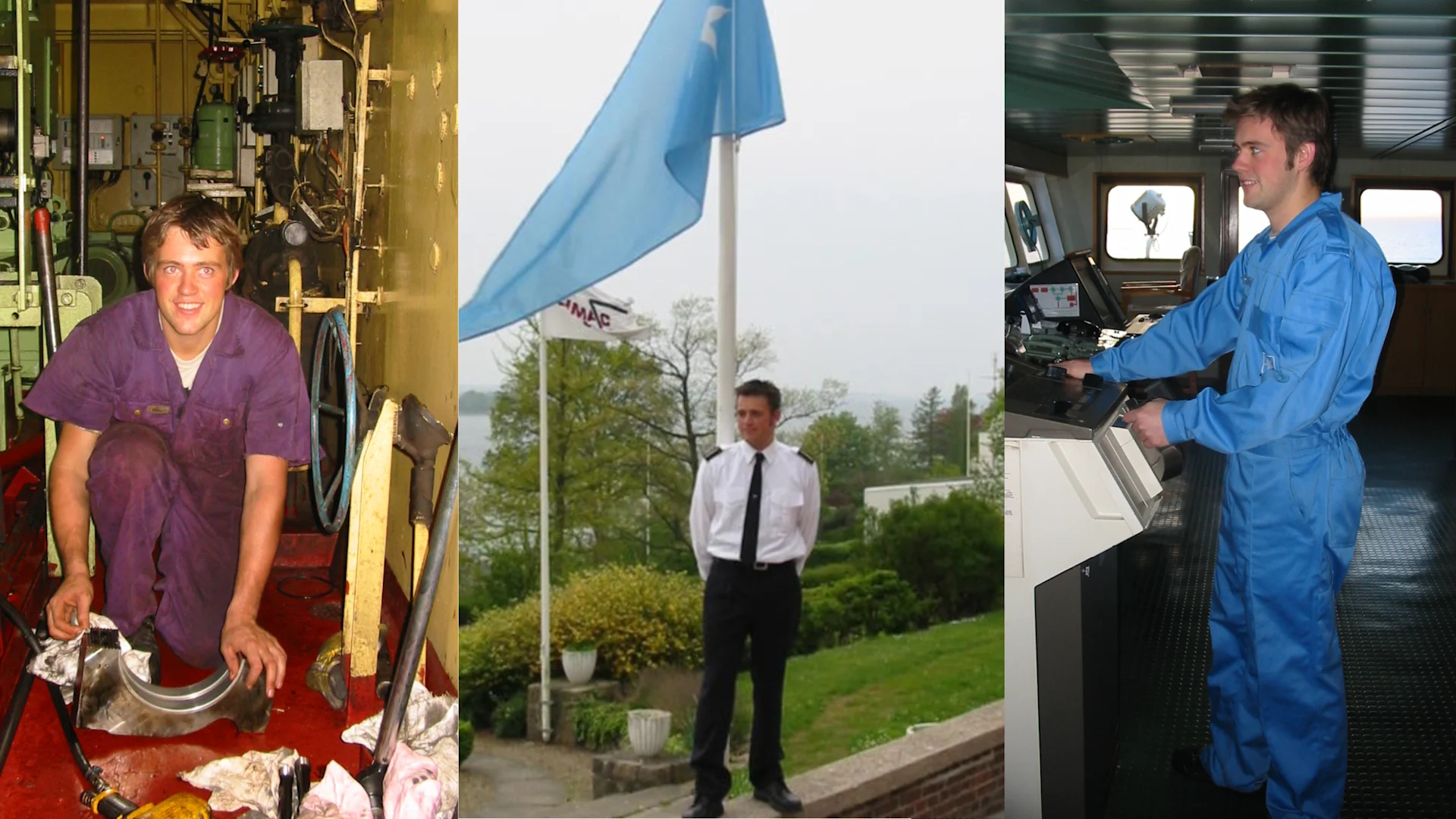
Then came the sea, first as a cadet in Maersk, later as an officer across different parts of the world. Per has always been fascinated by engineering, mechanics and big machinery, and a container vessel is about as large a piece of equipment as anyone gets the chance to operate. That fascination came with a sharper edge the first time he stood watch alone.
I actually have the responsibility now. That’s the moment he thinks most seafarers remember: an expensive ship, valuable cargo, a crew, and real consequences if something goes wrong. There were always more experienced people to call, and part of the learning was knowing when to make that call.
A ship, he learned, is a small society: six or eight nationalities among twenty people, everyone depending on everyone else. That gave him a global perspective early in his career, and a habit of mind he still carries. Seafarers share a strong common identity, but people bring very different ways of doing things – and Per learned to be curious about that difference, not wary of it.
“I learned to be curious about why someone approaches something differently from me and to respect the fact that diversity genuinely brings something valuable to a team, whether in problem-solving or leadership.”
His years in Maersk Supply Service, running offshore operations with real inherent risk, gave him a principle he still uses today: ALARP – as low as reasonably practicable.
“Risk does not always have to be zero. I am actually quite comfortable operating with risk, but we need to understand what risk we are taking, what would be unacceptable, and what indicators tell us that the situation is changing.”
He calls it making risk-informed decisions, a mindset that started on deck and now shapes how he runs a business.
There’s one more habit from his years at sea that has stayed with Per longer than most: the passage plan. Before every voyage, you define your destination, set your waypoints, mark the no-go areas, and decide in advance when to call or notify someone. He sees the same discipline in running a business.
“There are many parallels to running a project or a business. You need a good plan and clear milestones, but once you start, you still navigate one leg of the voyage at a time. Conditions change. You need both: a thorough plan and the ability to navigate when circumstances change.”
“If someone has it, they have it”
Per has held around nine or ten different roles across his 14 years at Maersk Training, starting as an instructor. That perspective never left him. Even now, his instinct is to ask: what does this actually mean for our customer’s employees, and where are we making a difference?
Roles such as Product Line Lead and Head of Innovation took him further into global responsibility, and with them came extensive travel: training centres across every region, customers across industries and company sizes. That exposure gave him another kind of curiosity – about where the organisation is genuinely one thing, and where it should legitimately look different from place to place.
“Where are the things that bind us together, and where are things genuinely different because of local markets, customers or circumstances?”
It left him with a strong awareness of the balance between standardisation and localisation – and one principle that has stayed constant through every role he’s held: trust that people are specialists in their own work.
“If someone has responsibility for something, then in my mind they have it. I trust them to solve the task. Exactly like you would do if you take command on the bridge or in the engine room on a vessel.”
His job, as he sees it, is to understand what support they need to succeed: sparring, removing obstacles, or simply providing cover when something doesn’t go exactly to plan.
Showing up, especially when it’s hard
Per traces one of his clearest leadership lessons back to his very first command role, as a young junior officer standing watch over deck crew with five times his seniority and twice his age. Some of them tested him, as new officers are often tested. A captain gave him advice he still uses.
“It is absolutely right to involve people, listen to them and ask for their input. But if something isn’t actually up for negotiation, you need to make that clear early and draw the lines of the playing field.”
Per prefers, in most situations, to let the people closest to a problem help define the solution. But he’s equally clear that pretending something is open for discussion when it isn’t helps no one, and that same honesty runs through how he talks about mistakes: not everything goes to plan, and that’s acceptable, as long as it can be discussed openly.
But showing up means more than being present or accessible. When a decision is difficult or unpopular, or doesn’t immediately make sense to employees, Per believes it’s his job to stand fully behind it – explaining honestly, and having the conversation again if that’s what it takes.
“My job is not necessarily to make everybody agree with every decision. But I do believe it is part of my responsibility to create meaning around the direction and stand behind the things we do, particularly when they are difficult.”
Setting direction, staying close
As Managing Director for Denmark, Per describes his core responsibility simply: setting direction. He leads a team he calls capable and highly motivated, so he doesn’t see his role as pushing people. It’s making sure everyone understands where the organisation is going, so they can shape how they get there.
He also sees himself as a link between global strategy and the regional business, translating global strategy into a meaningful Danish plan while feeding regional insight back the other way, since Denmark sits closest to its customers. That extends to how he treats ideas from his own people, too: pressure-testing what employees bring forward, and understanding what they need from him to move it.
“Ideally, our employees should not experience it as headquarters versus region. It should feel like one aligned organisation.”
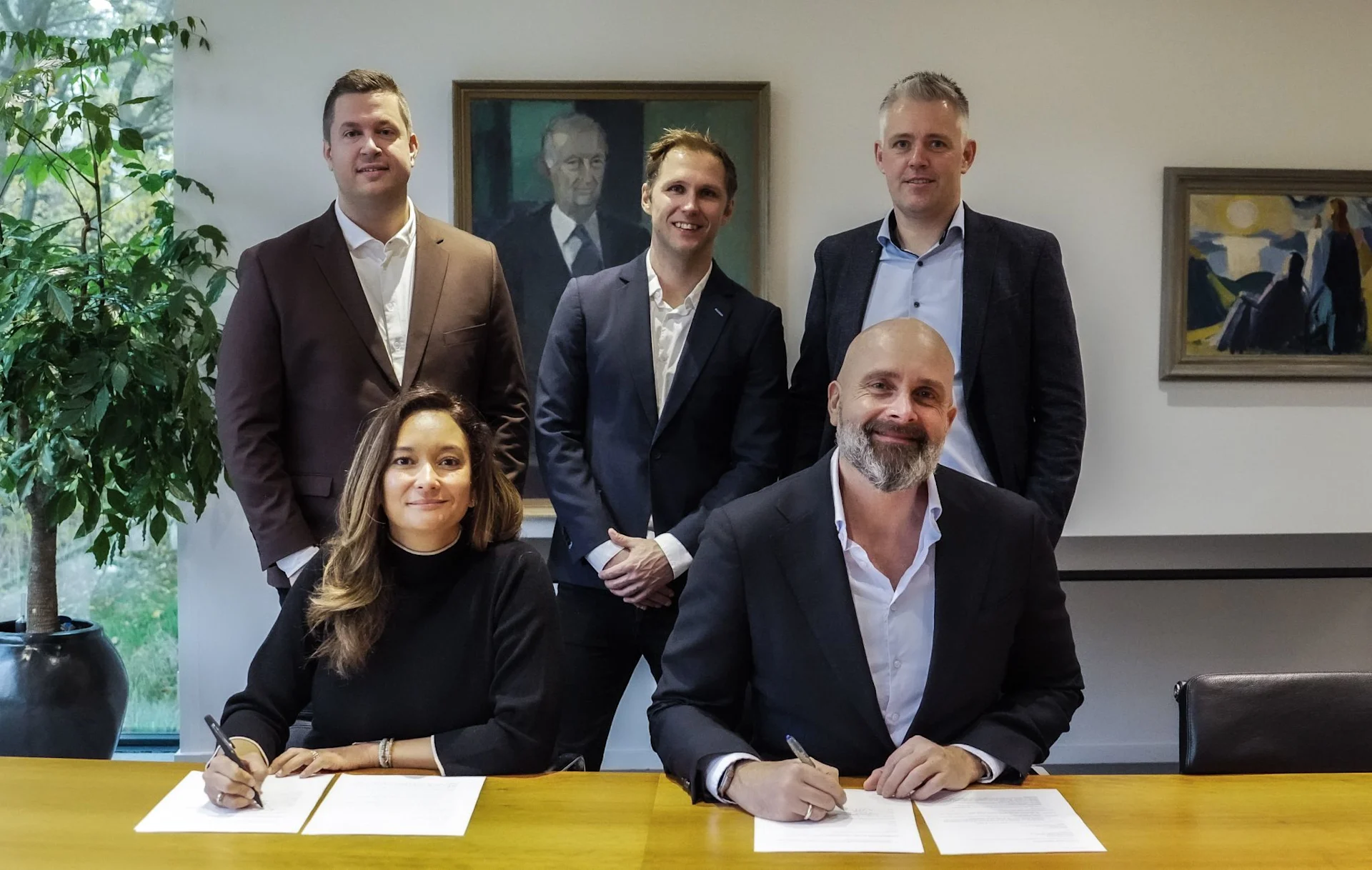
His days start around eight, with coffee and an inbox. “I am not exactly a morning person, to put it mildly,” he says, except for the mornings he trains at Training for Warriors before work. He’s based in Svendborg, close to headquarters and home, but makes a point of spending at least one day a week in Esbjerg, an important part of the Danish operation.
He values the unscheduled moments as much as the calendar ones: a colleague at the coffee machine, a conversation with an instructor. And a significant part of his time goes into customer relationships, deliberately.
“I like to know the people I work with by name and to know something about them as people, including their families. I believe that matters if you genuinely want to get close to a customer.”
Denmark keeps him close to home now, but in earlier, more global roles he led a team scattered across regions and time zones, often the only member based in Denmark, working through reorganisations without the chance to meet face to face. What mattered then, and still does, is clarity of direction paired with a small number of fixed touchpoints, a weekly stand-up above all, rather than constant meetings.
“Once people are genuinely clear about where we are going and why, the capable people around me are usually very good at finding the best way to get us there.”
Risk-informed, not reckless
Per is candid about a development area of his own: a natural curiosity that has, at times, meant launching too many ships at once.
“I have become a little harder on myself and the organisation in that respect over the years.”
There’s no single formula for prioritising, but three things guide it: the economics, whether an opportunity moves the business toward what it needs to become, and whether it builds capabilities the organisation will need. He thinks of the balance between today’s operation and tomorrow’s horizon as roughly 80/20, sometimes 90/10: most of the focus on delivering this year’s plan, with capacity reserved for what moves the business forward over time.
The closer you sit to the front line, he notes, the more short-term the world understandably feels: this week’s courses, this week’s utilisation. His job is staying open about the longer purpose behind it.
Reading the currents
Per points to a handful of shifts shaping his planning: renewed focus on homegrown energy and energy resilience, changing the outlook on how long offshore oil and gas remains central to the business mix; growing electrification, pushing Maersk Training further into high voltage, offshore wind and renewables; and the continued move toward blended learning.
The real question for him isn’t how to digitise more. It’s knowing when a customer genuinely needs an instructor or a physical facility, and when they don’t.
Then there’s artificial intelligence, which he sees as a major opportunity: better adaptive learning, individualised journeys built on data, sharper internal processes. But the value, he’s clear, has to show up somewhere real and be driven by client need rather than what is technically possible.
“The important thing for me is that the value should ultimately be visible to our customers, our course participants and end users, and of course also to our own employees.”
What he hopes to leave behind
Asked what he’d like people to say about his time as Managing Director in three or five years, Per doesn’t point to a single number. He points to a mindset: an organisation that stays extremely customer-focused, with the courage to keep innovating, and relationships with customers that feel closer to genuine partnership than commercial supply.
“We should have relationships strong enough that we can talk openly about what is working and what isn’t, and then work together to create the most effective training and competency solutions.”
There are business objectives too: a strong, unified Danish organisation with a healthy financial foundation. But for Per, that foundation is never the end goal in itself. It’s what pays for the growth and innovation that come next.
Listen, look, feel
Financial performance, employee engagement, customer satisfaction: Per follows the KPIs closely. But he doesn’t stop there. He compares it to being an engineer in the engine room of a ship.
“You can look at pressures, temperatures and flows. You can draw graphs and curves, and you have huge amounts of data available. But every now and then you still need to leave the control room and walk down into the engine room. You listen, look and feel.”
That instinct, conversations, observation, gut feeling, sits alongside the data, not instead of it.
One port at a time
One moment, in particular, taught Per something about confidence. Early in his time with Maersk Supply Service, still learning to manoeuvre supply vessels, he sat at the controls close to an offshore rig in poor weather, an oil hose keeping the ship tethered near the installation. The captain went below, leaving word that he’d come straight back up if needed.
Manual manoeuvring for long stretches wears down concentration. At one point Per drifted so close to the rig that he could no longer see water between the ship and the installation. He tried to pull away, but the hydrodynamic forces didn’t respond the way he expected. He called the captain, half panicked – and by the time the captain reached the bridge half a minute later, Per had already brought the vessel back under control himself.
What stayed with him was the captain’s reaction afterwards. Less concerned with the paperwork a near miss would have created, and more concerned with something else entirely: confidence, and how easily it can be knocked.
“It taught me something about being willing to enter situations where you don’t yet master everything 100%, while also having the courage to ask for help when you need it – and the importance of knowing that the more experienced people behind you have your back. I find it important for my crew to show the same kind of trust and for them to always know I got their backs.”
That same appetite for what’s underneath the surface shows up everywhere in Per’s life outside work. He’s enormously curious about food, seeking out what people actually eat wherever he travels and trying to work out why a region uses the flavours it does, then recreating it at home. The same curiosity takes him onto customer sites directly when he can, a ship, a port, an offshore installation, because there’s always something new to notice there.
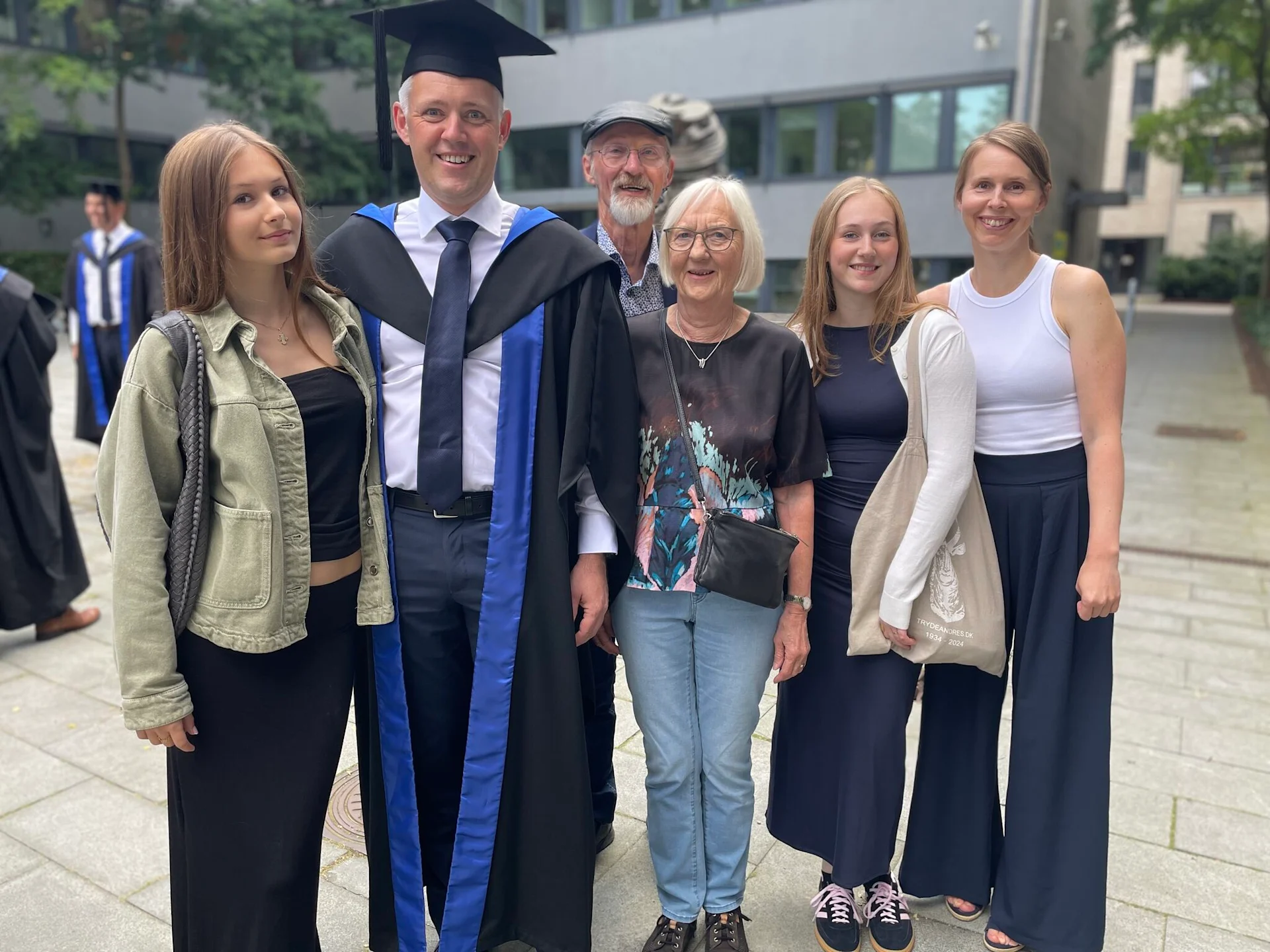
His time belongs to his partner Annette and their two daughters, Ida and Sofia, with several weeks of travelling together each year. He also enjoys staying active, now mainly through training at Training for Warriors and running. Earlier in life, that included triathlon, road cycling and marathon running – never really for competition, but for the challenge, the exercise, and the satisfaction of pushing himself a little further.
Simple outdoor time, a fire in the garden, a night in a shelter, still does what it did when he was a scout: it gets him away from a screen. And when he’s not outdoors, he’s often watching documentaries, food and travel programmes – to the mild despair of his family.
Two pieces of advice have stayed with him since his early days at sea. The first, from the captain, was about confidence and trust. The second, repeated so often by a former manager that it eventually stuck, is simpler still.
“Assume best intentions.”
It has become a useful way of challenging his own thinking. When someone does something that seems wrong, makes little sense, or simply looks different from his perspective, he starts from the assumption that they have good intentions. It shifts the question from “Why would they do that?” to “What am I not seeing? What does this look like from their perspective?” More often than not, there is something to learn from the answer.
For anyone early in their career, his advice is the same one he’d give himself.
“Have a direction, but don’t feel that you need to know the entire route. Focus on doing the job in front of you well, keep learning, and don’t be afraid to change course when you discover something new and exciting along the way. One port at a time. One voyage at a time.”