Providing real value for MPD training
May 2026

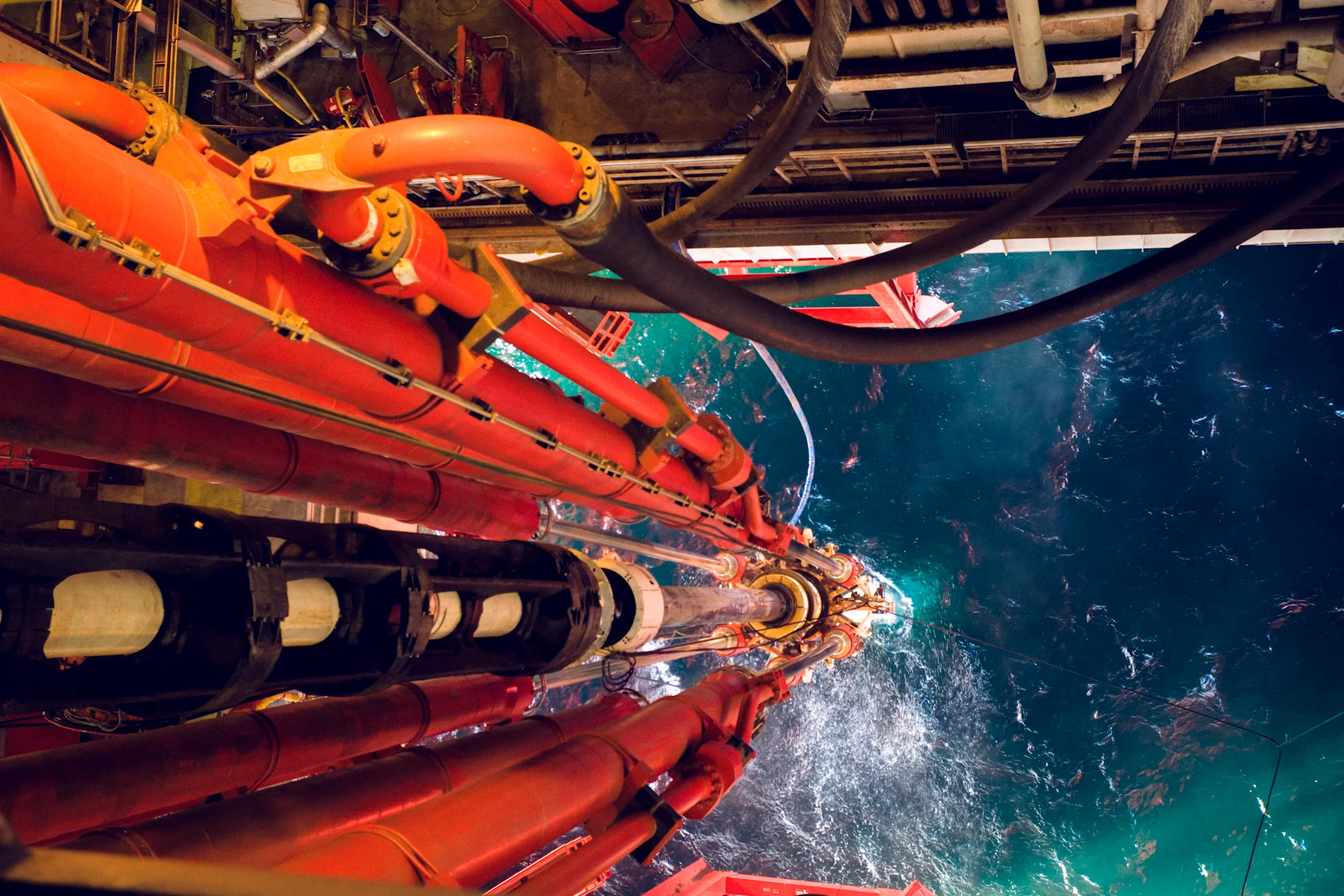
In this Expert Voices contribution, our oil and gas instructor in the USA, Ferhat Gumus, draws on two decades across MPD field operations, engineering, software and system development, and training to argue that the industry already has the ingredients of a workforce model worthy of where the technology has gone. What’s needed now is the discipline to combine them into a layered, role-specific training system. The path forward isn’t more training; it’s smarter training, delivered to the right people at the right depth.
A modern Managed Pressure Drilling (MPD) operator needs to think like a drilling engineer, troubleshoot like a technician, and react like a well control specialist. No school produces that person, and the industry has yet to build a training model that reliably does. Over 20 years across MPD field operations, engineering, software and system development, and training, I’ve watched the technology and the business model evolve at their own pace while workforce development has lagged behind – mostly a catch-up game. The gap is closeable, but only if we stop treating MPD training as a single course and start treating it as a layered system tailored to roles.
From a single choke to an integrated drilling sub-system – the evolution of MPD
Early MPD was, for most operators, a single technique: shut the well in during connections when the mud pumps stopped, trap surface pressure, and prevent a dramatic decline in Bottom Hole Pressure (BHP). That method is still relevant in certain scenarios, but the moment MPD moved offshore it stopped being a single technique. Integrated Riser Joints (IRJ), near-real-time hydraulics models, PLC-controlled chokes, automation, and deep integration into the rig’s own control architecture turned MPD into a mainstream, fully integrated drilling sub-system. What used to be a choke operation is now something that touches every step of the drilling cycle – from well design through well control, and from a piece of equipment on location through to the Emergency Disconnect Procedure. The competency profile has shifted to match. The person operating the choke now needs working knowledge of well design and drilling operations, downhole geology, electrical, mechanical and hydraulic systems, and above-average well control expertise. That is not a single skill set. It is four or five, layered on one role.
One crew, many disciplines: why the role defines the curriculum in MPD training
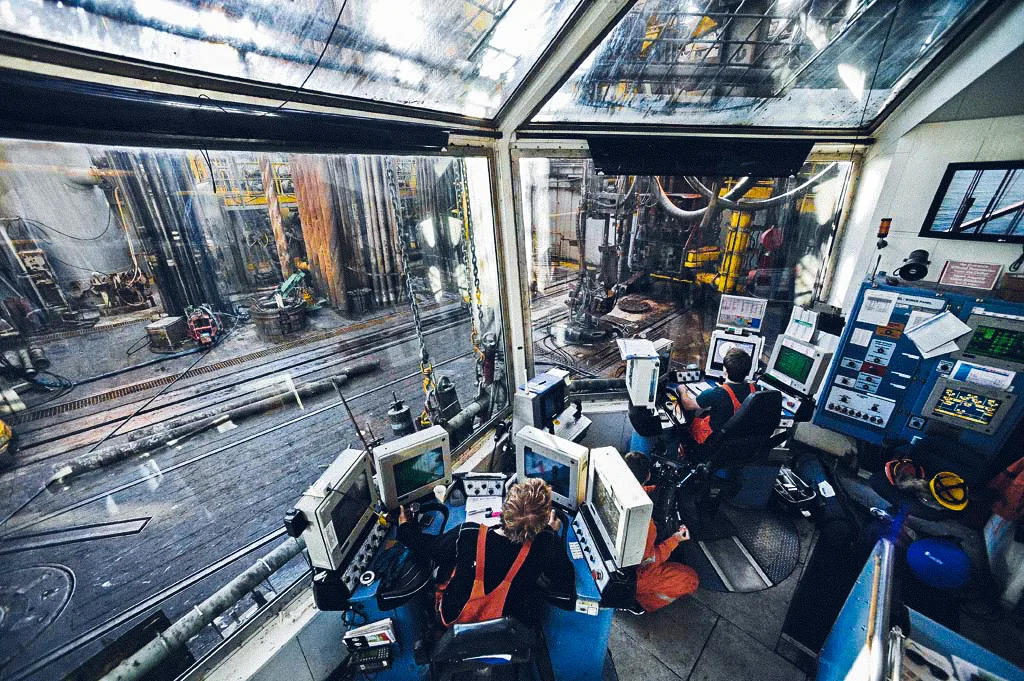
What really is MPD training? The answer depends entirely on the seat the trainee sits in, and that’s the heart of the problem. For a geologist, MPD training means understanding how holding Surface Back Pressure (SBP) while pumping continuously through booster pumps changes formation evaluation. For a well design engineer, it might mean reconsidering whether to set a casing string deeper. For an electrical or mechanical technician, the priority is troubleshooting the equipment under pressure, in real time. No one is a drilling engineer, geologist, and technician at once, and no university produces a graduate who covers all of it. Even when an MPD crew is assembled with all those disciplines represented, gaps remain – in shared vocabulary, in handoffs, in who owns which decision when something goes wrong. Filling those gaps is what training has to do, and most current programs don’t.
Shared responsibility: service providers, operators, and everyone on the rig
The MPD service provider carries the obvious load: hire crews with the right background and train them on equipment-specific operation and maintenance. That part is fair to expect and reasonably well established. The less obvious requirement is that every crew member also needs a baseline understanding of drilling and well control operations, not just the equipment in front of them. And depending on the size and subject-matter breadth of the service organization, internal resources often fall short of covering everyone who needs to be covered.
Non-MPD personnel don’t need to repair the equipment or troubleshoot it down to the component level. They do need to understand how the system functions as a whole. Without that, procedures can’t be developed correctly and the safety of rig personnel during MPD operations can’t be assured.
Drilling a well safely and successfully requires everyone on the same page. A baseline training that aligns the full team around the task – in the same spirit as a toolbox talk, a HAZOP/HAZID, or well control training – is one of the cheapest interventions available, and one of the highest-leverage for both efficiency and safety.
The value is in the mix: a three-layer training model
No single training mode covers MPD. Three layers do, and each serves a different audience and purpose.
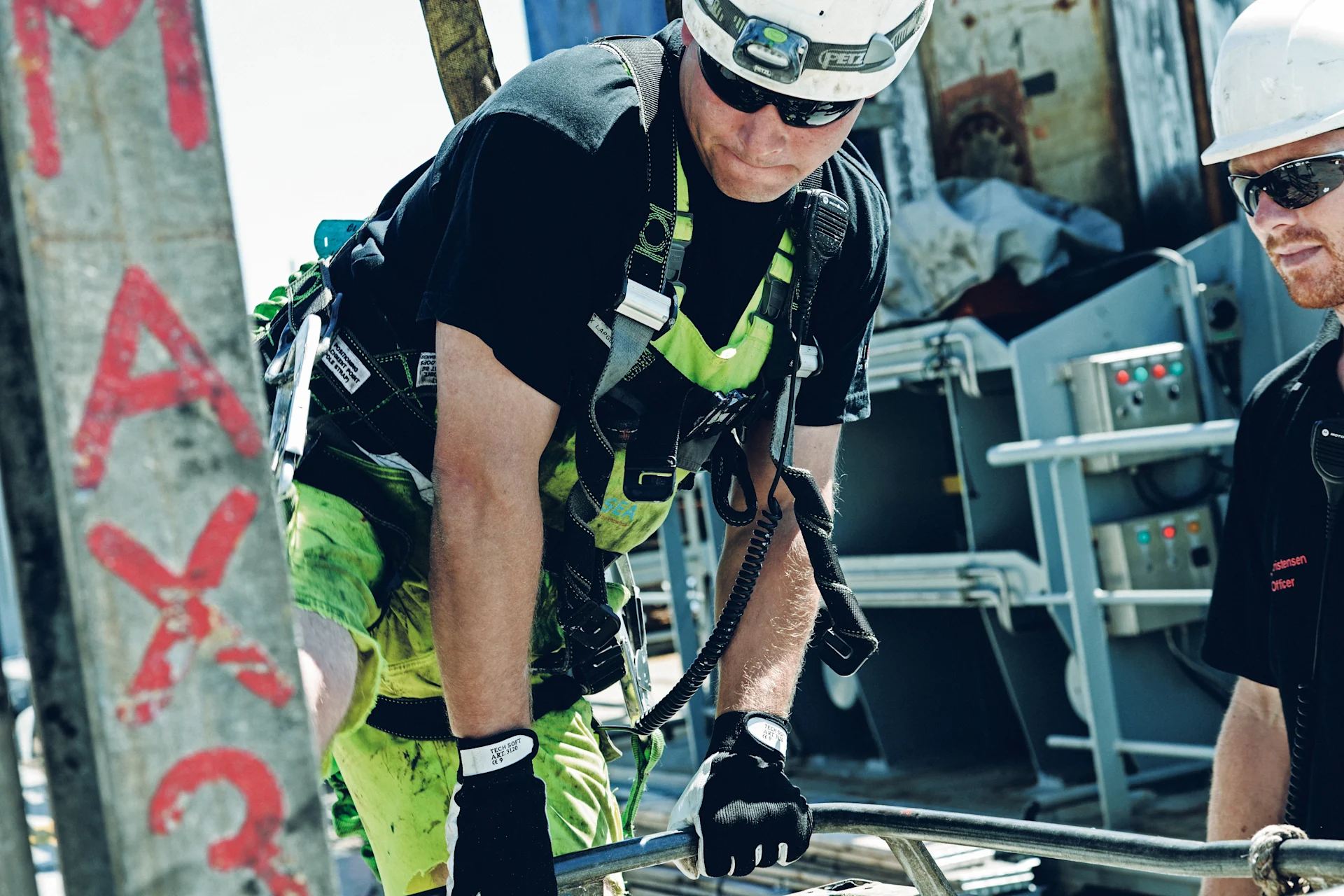
Basic Training: Not everyone needs to be a subject matter expert on everything. A theoretical, concept-level course builds awareness of MPD equipment, how pressure control works, and how MPD changes the conventional drilling process. This is the right baseline for company representatives, geologists, and the wider rig crew – people who won’t operate the choke but who need to understand what the operator is doing and why.
Advanced Training: Anyone in a decision-making role needs deeper coverage: the impact of MPD on well design, well control, drilling procedures, and HSE. That means working through the control system and the hydraulics model in enough detail to understand their capabilities and, more importantly, their limitations. Hands-on exposure – rigging up an IRJ, interpreting downhole events as they unfold – pays back during both planning and execution.
Simulation Training: Simulators let crews run routine operations, contingencies, and emergency scenarios in a safe environment and at a fraction of the cost of learning the same lessons on a live well. The interaction is close enough to rig-site reality that simulation isn’t just procedure rehearsal. It’s where procedures get developed and refined as different roles see how their decisions affect each other. It is, in the end, the only environment where a multi-discipline MPD crew can practice being a single team before they have to be one offshore. That is the gap basic awareness and classroom theory cannot close on their own, and it is where the real return on training investment shows up – in incidents avoided, in wells delivered on plan, and in crews who trust each other under pressure.
Looking ahead
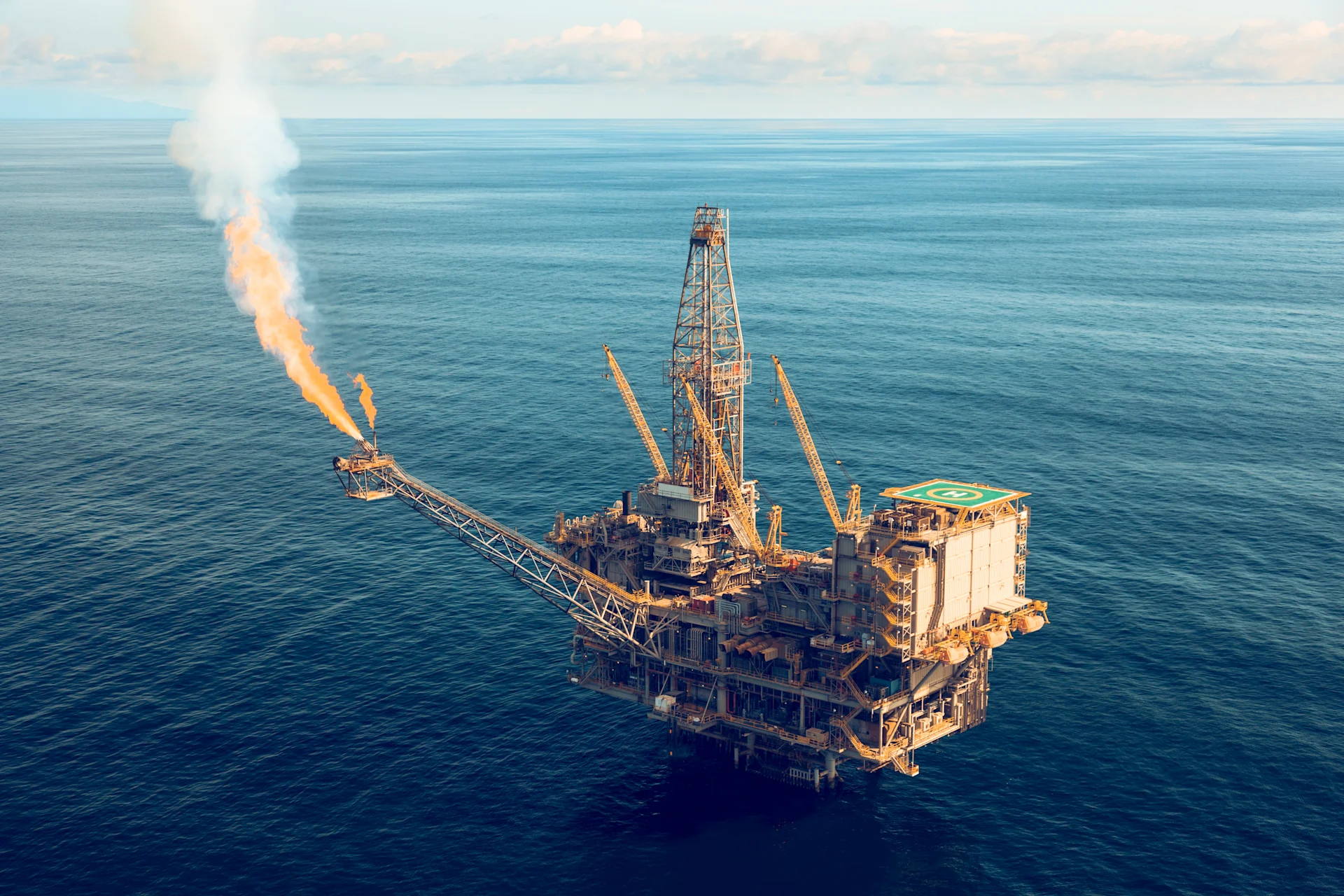
MPD has earned its place as a mainstream drilling capability, and the industry has more tools, standards, and accredited programs available today than at any point in the technology’s history. The opportunity in front of us is straightforward: stop asking who is responsible for MPD training and start asking what each role actually needs to know. Service providers, operators, and rig contractors who get this right – pairing basic awareness with advanced role-based training and grounding both in simulation – will see the return in safer wells, faster execution, and crews who walk onto a deepwater rig already knowing how to work as one team. The technology has done its part. Building the workforce to match is well within reach, and the playbook for getting there is no longer a mystery.
References
-
American Petroleum Institute. API Recommended Practice 92M: Managed Pressure Drilling Operations with Surface Back-pressure, First Edition, September 2017 (Errata 1, October 2017; Errata 2, November 2023; Addendum 1, April 2023).
-
American Petroleum Institute. API RP 92S (Subsea MPD) and API RP 92P (Pressurized Mud Cap Drilling with a Subsea Blowout Preventer).
-
International Association of Drilling Contractors. IADC Classification System for Managed Pressure Drilling and Underbalanced Wells (risk levels, application categories, and fluid systems).
-
International Association of Drilling Contractors. Guidance for UBO and MPD Techniques for Land Operations, Version 3, June 2021. UBO/MPD Committee.
-
International Association of Drilling Contractors. IADC Well Control Training and Assessment Standard (WellSharp®). WSP-01 Handbook.
-
International Association of Drilling Contractors. IADC Managed Pressure Drilling Accreditation Program (training provider accreditation criteria).
-
International Association of Oil & Gas Producers (IOGP). Well control standards and competency frameworks (see IOGP Report series on well control and crew competence).