Trauma-informed practice onboard: safer reporting, better interventions
March 2026

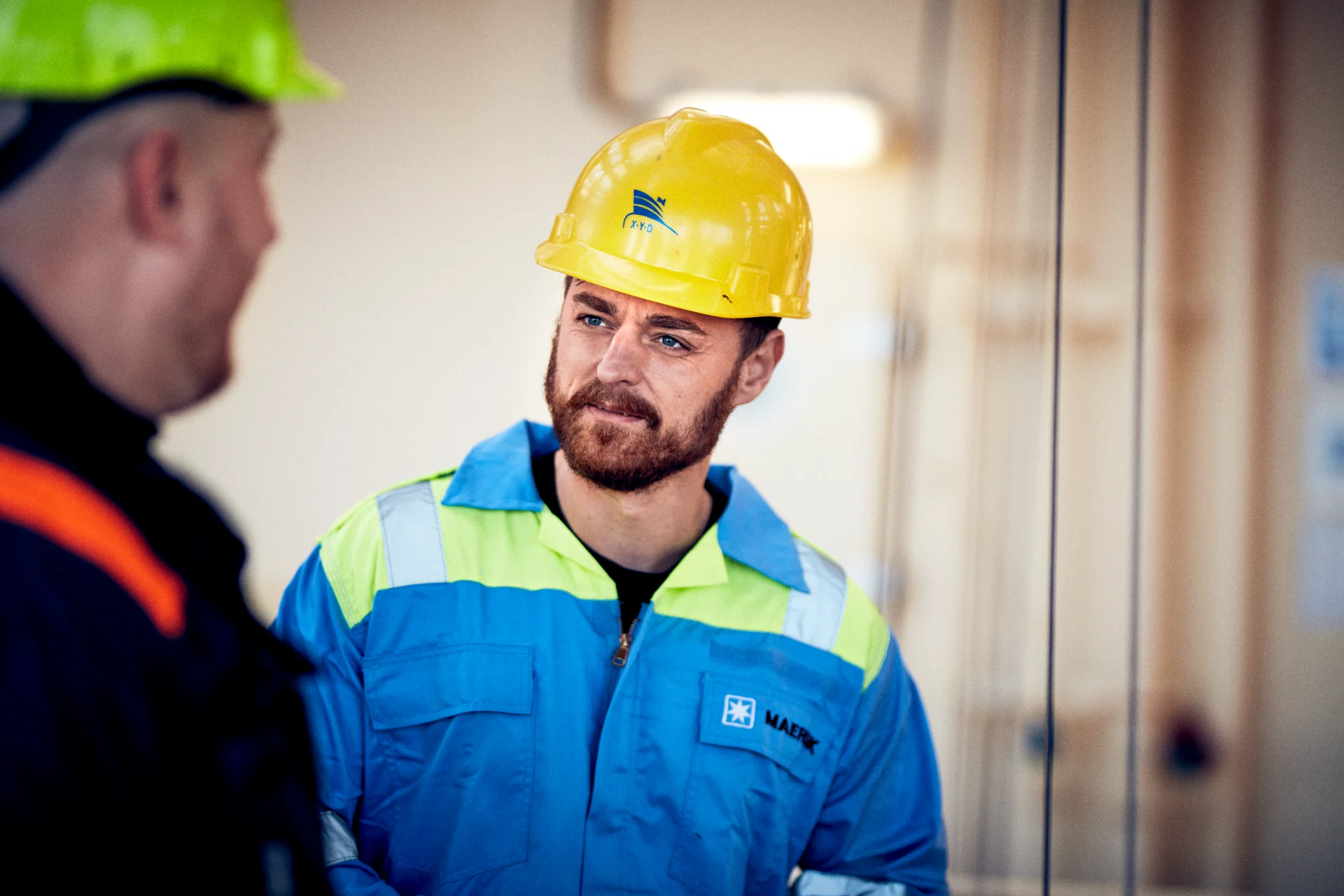
Credits: @Ture Andersen / ture@ouro.dk
Foreword
When Britannia P&I Club invited me to speak at their Webinar: Unlocking the Drivers of Seafarer Mental Wellbeing, I knew I wanted to go somewhere less comfortable (but closer to the heart of the issue). Fatigue and isolation get talked about, and for good reason. What gets talked about less is what happens when someone has been humiliated by a superior, or feels that their contract depends on staying quiet, or has been harassed but is afraid to speak up. Do those pressures show up in incident reports? Usually not. But they shape everything.
Presenting alongside Capt. Charles Chong, I discussed what trauma-informed practice means in real situations and how trauma affects communication and reporting. We highlighted early signs of harm and the fear of reprisal that keeps many silent, and we outlined the training needed for Members to support crews and meet STCW expectations.
What I kept coming back to, and what I think matters most, is that the conditions for safe reporting do not happen automatically. They are built (or not built) through hundreds of small daily interactions onboard.
Why this matters now
When I talk with seafarers, what strikes me is how much people carry without anyone around them noticing. Not just fatigue or missing their families and loved ones. Things like a comment from a senior officer that crossed a line three ports ago, or a conflict that nobody resolved because nobody wanted to touch it. Others keep quiet, often because they believe speaking up will not change anything.
The thing about underreporting is that most of it is not about people not knowing the procedure. They know it. What they do not believe is that anything will actually happen if they use it. That gap between policy and trust is where most harm lives.
Regulatory bodies have seen the same trend and are trying to catch up with it. The STCW Code amendments that came into force in January 2026 now make training on harassment prevention and trauma-informed response mandatory for all seafarers, embedded within the personal safety and social responsibilities competencies. This shift signals a growing understanding that wellbeing is an operational factor, not a "a nice to have”. That said, I think we need to be honest with ourselves. Knowing that trauma-informed practice is now a regulatory expectation is one thing. Actually understanding what it means to sit across from someone who is frightened, fragmented, and waiting to see if you are safe to talk to, that is something else entirely.
What trauma-informed really means
When we discuss trauma, we need to first understand that what defines it is not the event itself. It is how the person experienced that event. Two people can witness the same event. One may experience trauma. The other may not. That difference is not weakness or strength. Culture, history and support systems influence this difference.
According to the American Psychological Association, trauma can be defined as "any disturbing experience that results in significant fear, helplessness, dissociation, confusion, or other disruptive feelings intense enough to have a long-lasting negative effect on a person’s attitudes, behaviour, and other aspects of functioning.”
Trauma affects the brain and body. It can push people into fight, flight or freeze. It can reduce concentration. It can make someone feel detached. It can change how they interact with others. These reactions are not signs of poor attitude. They are signs of a person doing their best to cope.
Trauma is often described as a ripple...
Drop a stone in water and the sharpest impact is right at the centre, but the ripples keep moving outward. Trauma works the same way. The original event may be weeks or months in the past by the time you notice something is wrong with a crew member. What you are seeing is not the stone. It is a ripple.
A trauma-informed approach asks leaders and crews to notice those ripples, respond with care and avoid repeating harm.
How trauma shows up in daily interactions
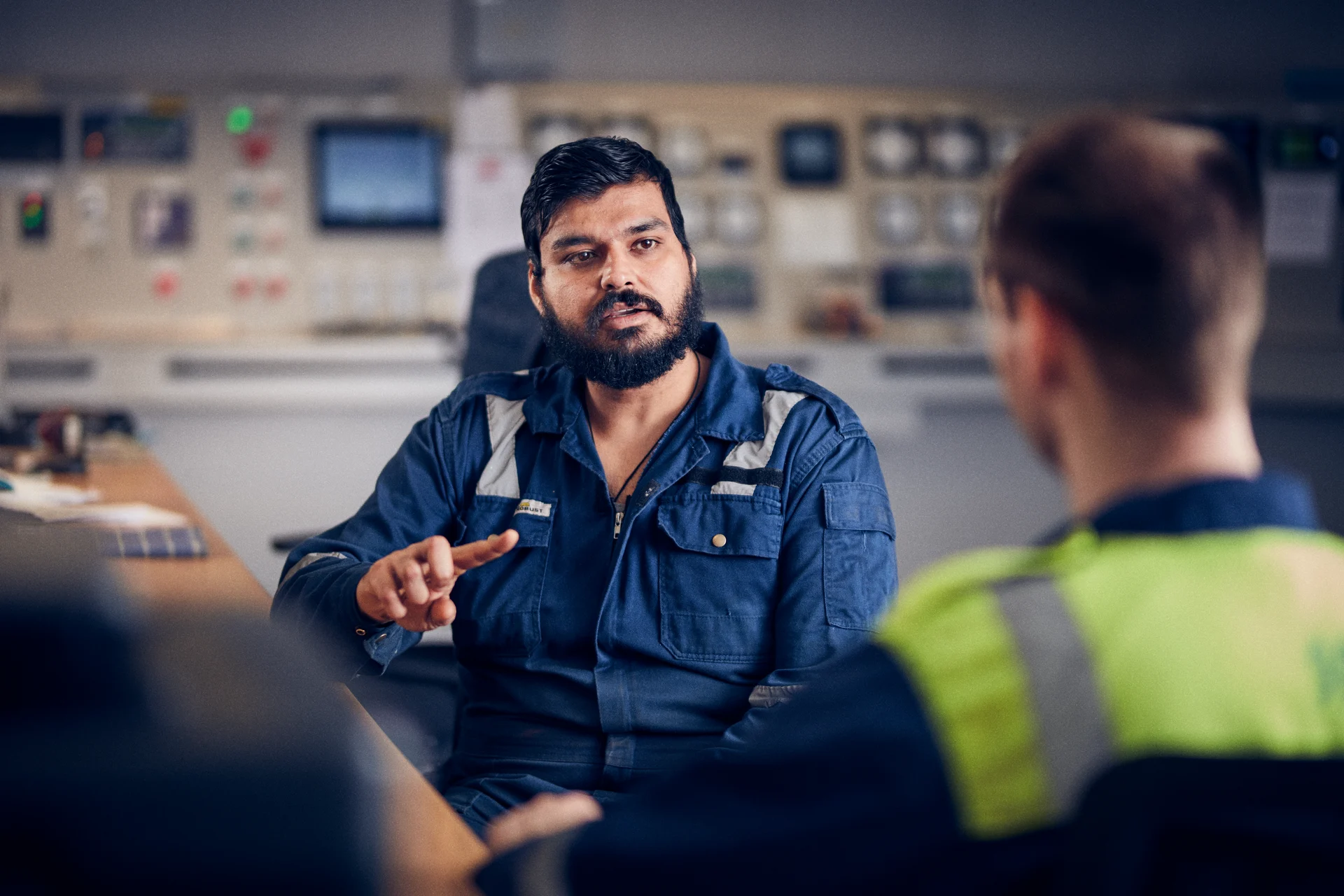
Trauma rarely presents itself in a clear, coherent account. When someone tries to tell you what happened, they may jump between details, forget when things occurred, or contradict themselves. They are not evading. It is how traumatic memory works. The brain does not file distressing experiences the same way it files everything else. Some show emotion quickly. Others show none at all. Both responses are normal. Some avoid eye contact or give short answers. Some agree too fast because they want the conversation to end. We need to be accepting of these behaviours, which mainly exist to protect the person.
When someone has been let down before, whether by a previous employer, a previous report that went nowhere, or a conversation that got back to the wrong person, silence feels like the only safe option. And you can hear it in the language people use. 'Keep this off-record.' 'Maybe I misread it.' 'It's probably nothing.' Do those phrases feel familiar? On a small vessel where everyone eats in the same mess room and sleeps two cabins apart, the cost of speaking up feels very concrete and stakes are higher.
So equally important to understand is that you can cause harm without intending to. Asking someone to repeat their account to three different people. Having a sensitive conversation in the corridor outside the engine room. Moving straight to informal resolution before the person has even processed what happened. Framing your questions in a way that implies they should have done something differently. None of these are malicious. But to someone who is already managing the effects of what happened to them, they can be the thing that makes them decide never to report anything again. This is what re-traumatization looks like in practice, and it is far more common onboard than outright hostility.
The result of both re-traumatization or “broken” reporting systems is predictable. Reporting stops. Stress rises. Trust breaks down. Incidents repeat. The ship becomes a place where problems remain hidden. What makes this particularly serious at sea is that the person cannot simply go home. The ship is the home. Whatever happened, and whoever was involved, is right there at the next meal, the next brief, the next watch, the next team activity.
Early indicators leaders can notice
In my experience, leaders usually notice something before they can name it. Someone who used to talk in the morning brief stops contributing. A crew member who was reliable starts making the kind of small errors that are easy to dismiss individually but add up. Someone eats alone when they didn't before. Across a fleet, certain vessels may see high turnover or repeated concerns about the same role. Reporting numbers drop for no clear reason. These patterns are signals. They point to harm that needs attention.
Fear of reprisal is often beneath these signs. It shows in apologetic language, hesitation and requests to keep matters off the record. It shows in people minimising harm to protect themselves.
Turning awareness into practical intervention
There is no single thing that makes a vessel “trauma-informed”. It is a combination of layers. Officers need skills to handle early disclosures. HR and shore teams need clear steps and timelines for escalation. Reporting channels must be visible and offer both direct and anonymous options. Updates, even brief ones, build trust. Tracking trends across vessels helps show that reports lead to action, not silence. Microskills like active listening can be practised in short onboard sessions. Support channels such as counselling give people a safe place to talk. The important thing to remember is that none of these is a quick fix. It requires coordinated action, across ranks and departments. One-off solutions will not do it.
Final thoughts
A lot of what we see as attitude problems, performance problems, or interpersonal conflict onboard has a different root. When you start looking through that lens, the responses change. You stop asking 'what is wrong with this person' and start asking 'what happened, what do they need and what can we do' That shift, in how a Master handles one conversation, in how a Crewing team responds to one call, in whether someone feels heard or dismissed, is not a small thing. It is the whole thing.
References
-
Sailors’ Society (2025) Bullying and harassment at sea: State of the industry snapshot. Southampton: Sailors’ Society. (Last accessed: 10 January 2025).
-
SAMHSA (2014). Trauma-Informed Care in Behavioral Health Services. HHS Publication No. SMA-14-4816.
-
Froholdt, L. L., Grøn, S., Nielsen, J. B., Thapa, S., Nielsen, M. B., Fenn, A., Hansen, E. K., & Ubbesen, T. R. (2023). CMSS research report: Bullying and harassment in the Danish fleet. Centre for Maritime Health and Society, University of Southern Denmark. Also available here. (Last accessed: 10 January 2025).
-
Van der Kolk, B. (2014). The Body Keeps the Score: brain, mind and body in the healing of trauma, Penguin books.