
© Maersk Training
© Maersk Training

Ships have never had more data, connectivity and automation. Does that mean less workload – or just a different kind of load?
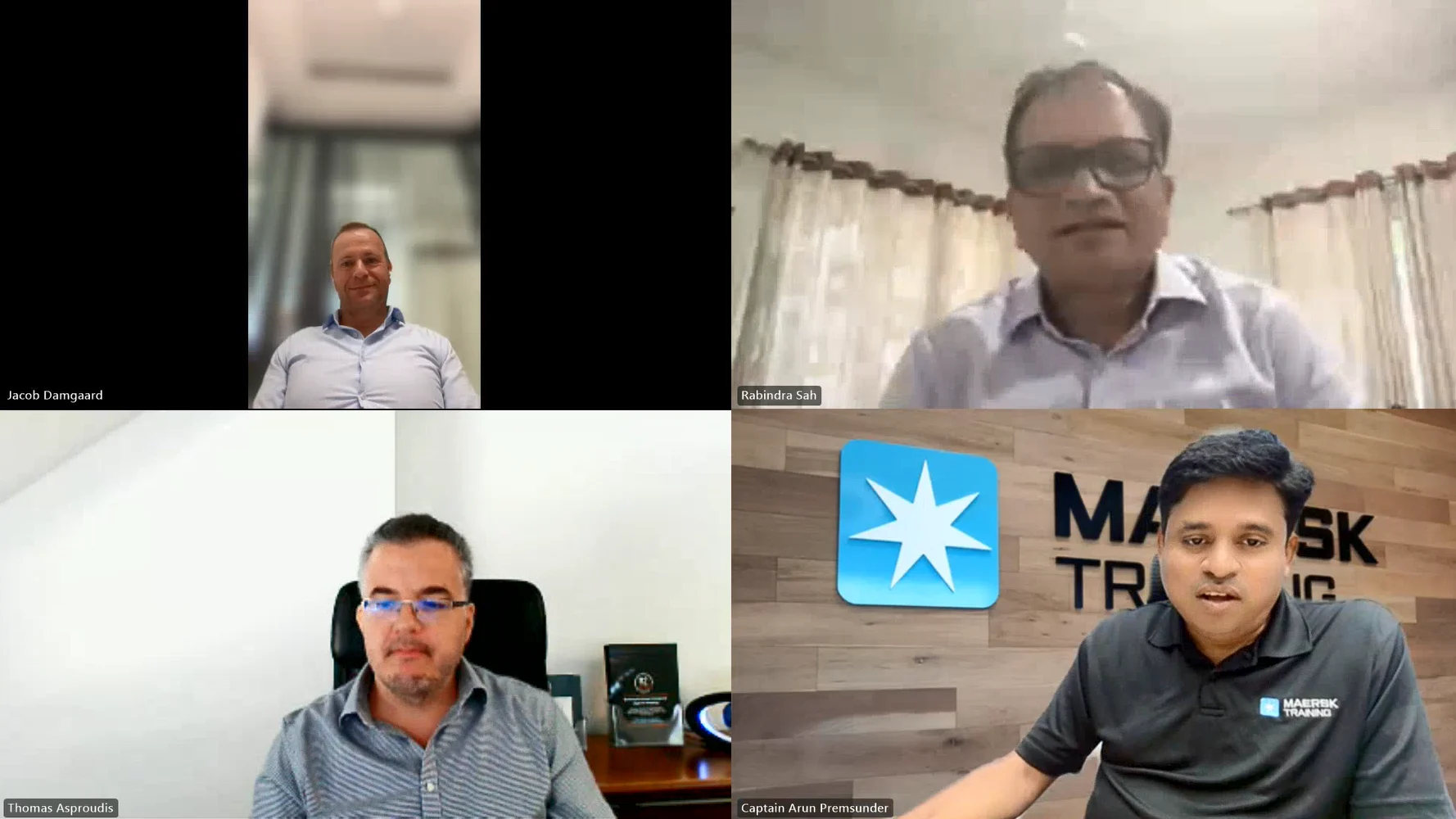
[October 2026] An open hour with a maritime technology innovator, a classification society CTO and a loss prevention leader on technostress, cognitive load and what it takes to keep people in control of smart systems.
Voices from maritime technology, classification and loss prevention. Each sees a different side of how automation and constant connectivity shape work onboard.
Missed part of the session or want to revisit key moments? Click the photo to watch the webinar recording.
Whether you design, class, insure, operate or train crews on new technology – connect with us.
This conversation looked at whether digitalisation reduces workload at sea or changes its form. It also covered how to keep people in control as systems get smarter.
Workload, reduced or reshaped - Digitalisation removes repetitive work but adds new tasks, such as interpreting information and managing notifications. For now, the gain is mixed.
Information overload and digital fatigue - The panel called digital fatigue a shared problem. Technology sets what is possible. The organisation decides how much of it lands on the crew. Topics included alarm fatigue, duplicate reporting and shore requests that expect instant replies.
Trust and the human in the loop - Safety critical decisions need a human. Routine tasks within set limits can run automatically. The speakers argued for appropriate trust, not maximum trust. Crews should know when to verify an alert. The master and chief engineer remain the decision makers.
Skills to protect and competence to build - Crews use some traditional skills less often, such as taking a bearing when GPS fails. Training must go beyond e-learning and cover failures and loss of connectivity. Digital competence means understanding what a system can and cannot tell you.
Settle the need before the next system - Before adding a smart system, each speaker named a starting point:
Confirm you really need it.
Identify the burden or decision it will improve.
Check your people have the awareness and data to use it.
Start with the problem, not the technology. Pilot with agreed measures before you scale up.
Thomas Asproudis of M2Intelligence
Rabindra Sah of the Indian Register of Shipping
Jacob Damgaard of Britannia P&I Club
Moderator: Captain Arun Premsunder of Maersk Training