STCW
STCW sets the global standard for maritime safety training, ensuring seafarers are properly certified and prepared for safe operations at sea.
Understanding STCW: The minimum standard in maritime training
In the vast world of maritime operations, safety, efficiency, and competence are not just desirable attributes – they're vital necessities. One critical convention ensures seafarers worldwide meet and maintain the necessary skills and knowledge for their roles: the STCW or the International Convention on Standards of Training, Certification, and Watchkeeping for Seafarers.
A brief introduction to STCW
STCW is a globally recognised set of standards for the training and certification of ship personnel. Initiated in 1978, it was developed to reduce accidents stemming from human error in maritime operations, ensuring safer seas and a more qualified maritime workforce. Administered by the International Maritime Organisation (IMO), it plays a pivotal role in maintaining a level playing field in the maritime industry.
Why are STCW standards important?
01
Global consistency
02
Enhanced safety at sea
03
Regulatory compliance
Popular STCW courses at Maersk Training
As an STCW-accredited provider, Maersk Training offers specialised courses designed by expert instructors, ensuring practical training that prepares participants for real-world maritime challenges. Popular STCW courses include:
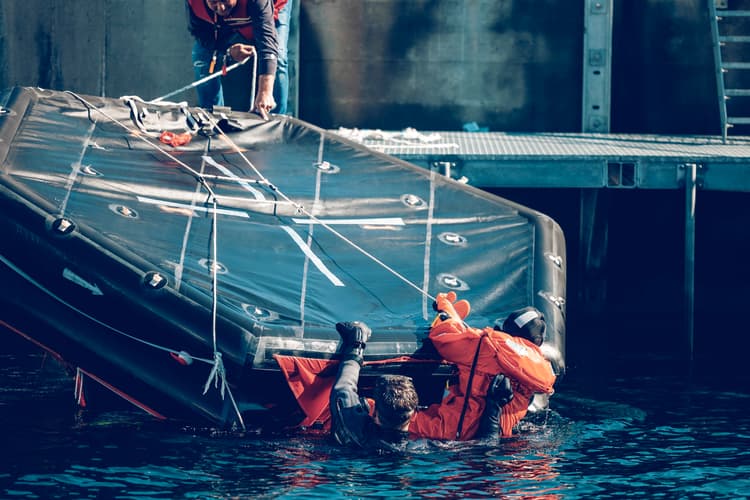
STCW Basic Safety Training (BST)
This STCW training is mandatory for all seafarers. This program covers essential safety skills, including personal survival techniques, basic firefighting, first aid, and personal safety and social responsibility.
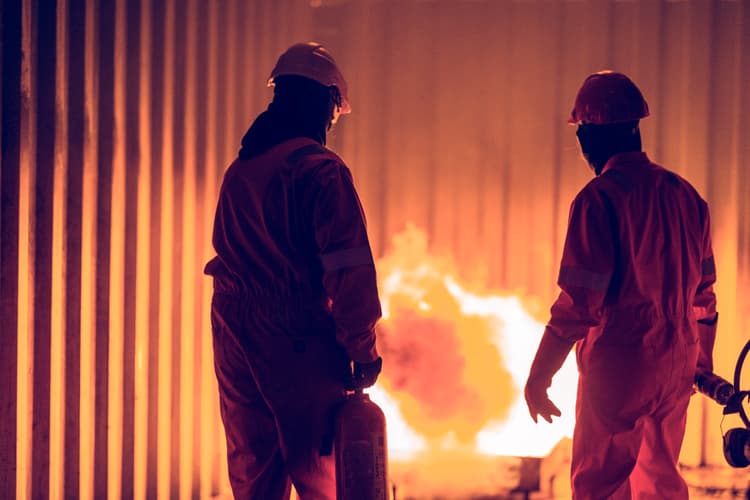
STCW Advanced Fire Fighting
STCW Advanced Fire Fighting equips seafarers with skills to control and manage onboard fire incidents, covering prevention, response, and safety procedures.
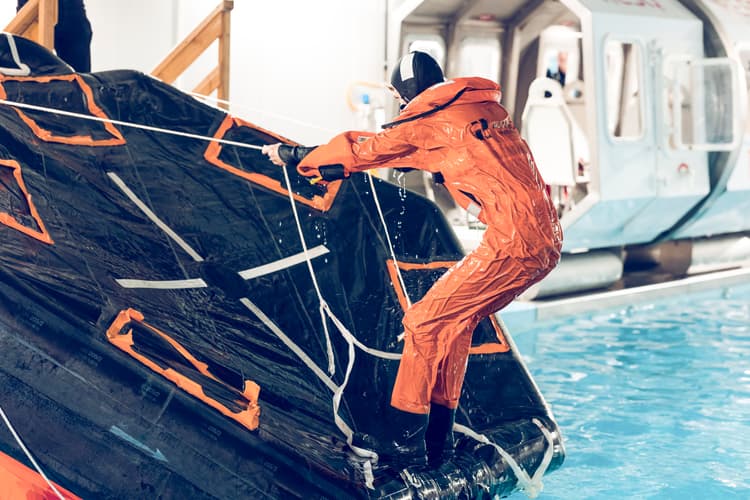
Survival Craft & Rescue Boats
This course focuses on essential skills for operating survival craft and rescue boats, along with emergency procedures and safety protocols.
Continuous evolution
The maritime industry does not remain static, and neither does STCW. With periodic amendments, the most significant being in 1995 and 2010, STCW consistently adapts to the changing dynamics of the maritime industry, ensuring the convention remains relevant, rigorous, and reflective of current best practices.